

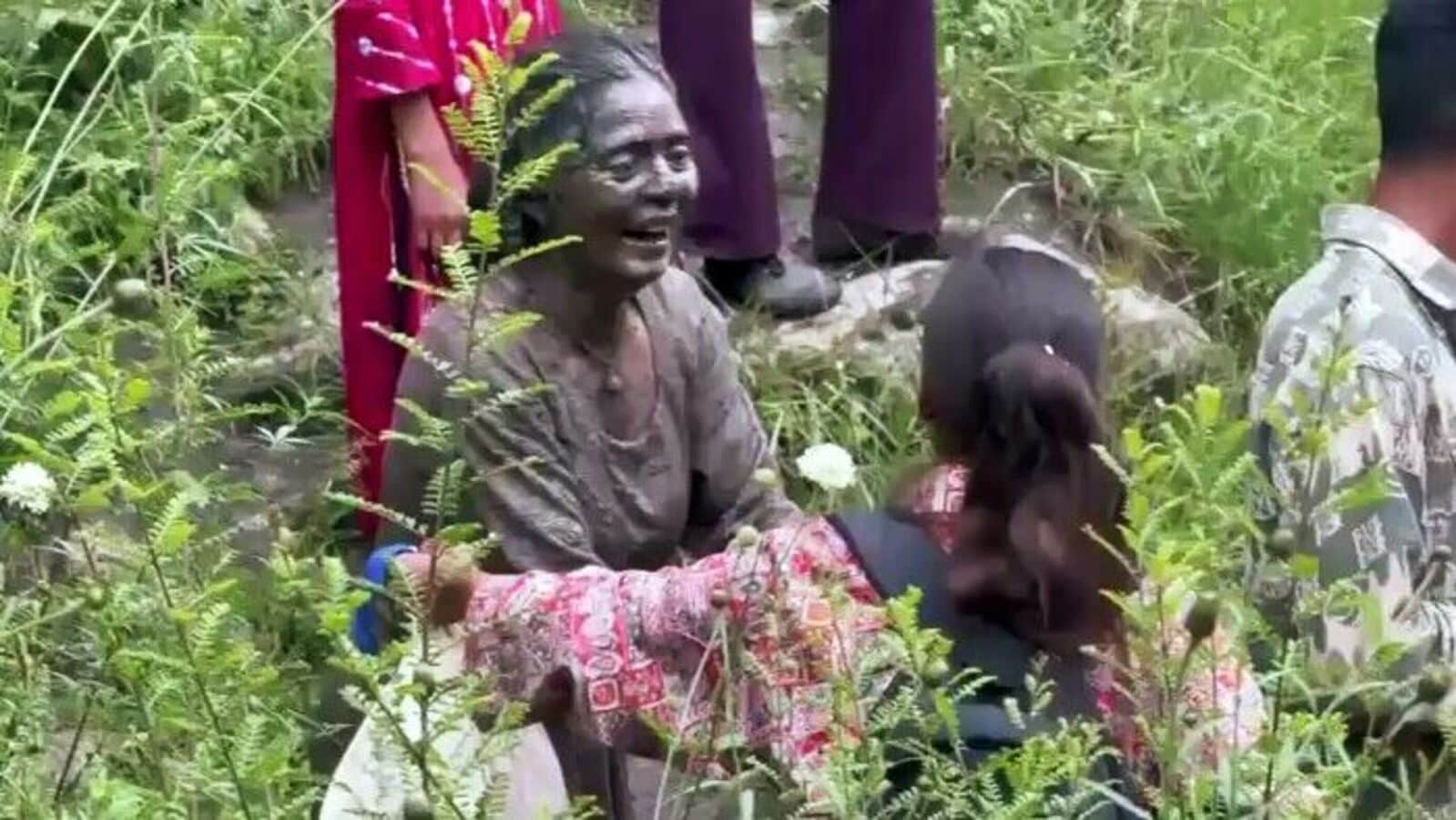
Kishtwar Cloudburst: A devastating cloudburst triggered by intense rainfall has wreaked havoc in Kishtwar district, killing at least 37 people and injuring over 100. Authorities say the toll could rise as rescue operations continue in the remote Himalayan region.
What happened in Kishtwar?
According to officials, powerful torrents of water and debris surged down the mountains, striking Chashoti village with little warning. The impact was so severe that authorities have yet to provide a clear estimate of the number of people missing.
Kashmir Chief Minister Omar Abdullah described the situation as “grim” in an official statement, confirming that a cloudburst was responsible for the flooding. The disaster marks the second major flood-related tragedy in India this month.
Kishtwar Cloudburst: What rescue measures are in place?
Crowds gathered outside Kishtwar hospital as medical teams treated the injured, with some victims being carried in on stretchers by local residents, AFP reported.
Authorities have established multiple helplines and control rooms to coordinate rescue and relief operations
Help Desk / Control Room Numbers for Kishtwar Cloudburst
Gulabgarh Paddar Help Desk
Susheel Kumar, NT Sohal – 9858223125
6006701934
Koushal Parihar, JE PMGSY – 9797504078
Ayaz Ahmad, JE PWD (R&B) Paddar – 8492886895
Badri Nath Shan, Inspector RDD – 8493801381
Rajinder Rathore, VLW – 7006463710
District Control Room – 01995259555 / 9484217492
PCR Kishtwar – 9906154100
Why was Independence Day eve ‘At Home’ tea party cancelled by Omar Abdullah?
In light of the tragedy, Jammu and Kashmir CM Omar Abdullah announced on X (formerly Twitter) that the traditional ‘At Home’ tea party scheduled for 15 August evening would be cancelled.
“We have also decided not to go ahead with the cultural events during the morning Independence Day celebrations. The formal events — speech, march past etc — will go ahead as planned,” CM Abdullah wrote.
Cloudburst in Himalayas
Floods on August 5 swept away the Himalayan town of Dharali in Uttarakhand state and buried it in mud. The likely death toll from that disaster is more than 70 but has yet to be confirmed.
Floods and landslides are common during the monsoon season from June to September, but experts say climate change, coupled with poorly planned development, is increasing their frequency and severity.
The UN’s World Meteorological Organization said last year that increasingly intense floods and droughts are a “distress signal” of what is to come as climate change makes the planet’s water cycle ever more unpredictable.


