

Getting exhausted by the AI conversation? I’m not surprised: so much of it feels like people shouting into the void. One camp insists robots are coming for our jobs. Another claims AI will liberate us all, and most of us are stuck somewhere in the middle, just trying to figure out how to use these tools without losing our minds (or our livelihoods).
So rather than adding more noise to an already deafening debate, Adobe are doing something genuinely useful. Bringing together people who are actually living this transformation, not just theorising about it.
Enter the Adobe Creative Collective, a newly formed group of creative leaders whose day-to-day work puts them squarely at the intersection of creativity and emerging technology. These aren’t people with hot takes. They’re people with real experience, hard-won insights, and the battle scars to prove it.
The space between extremes
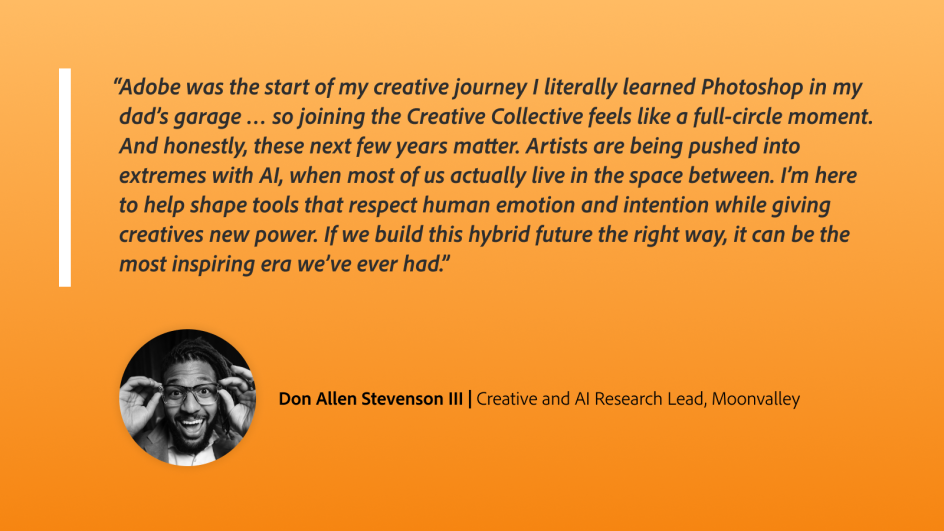
“Artists are being pushed into extremes with AI,” says Don Allen Stevenson III, creative technologist and AI research lead at Moonvalley, who joins the Collective as a founding member. “When most of us actually live in the space between.”
And that’s the sweet spot this initiative is aiming for. Not the breathless optimism of tech evangelists. Not the existential dread of those who see AI as an apocalypse. But the messy, complicated, fascinating middle ground where most working creatives actually exist.
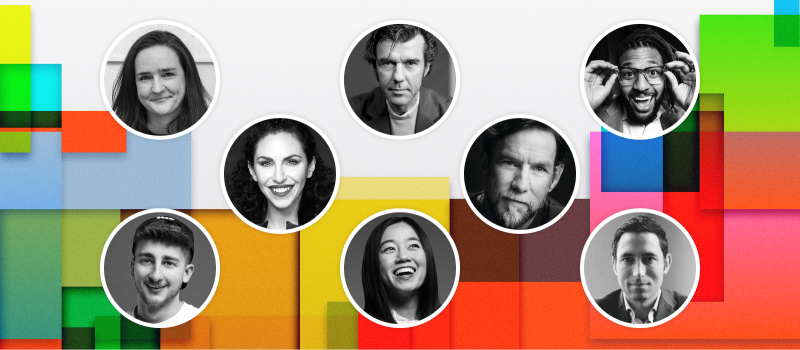
The Creative Collective includes eight founding members (with more to come), each bringing a distinct perspective shaped by their discipline and experience.
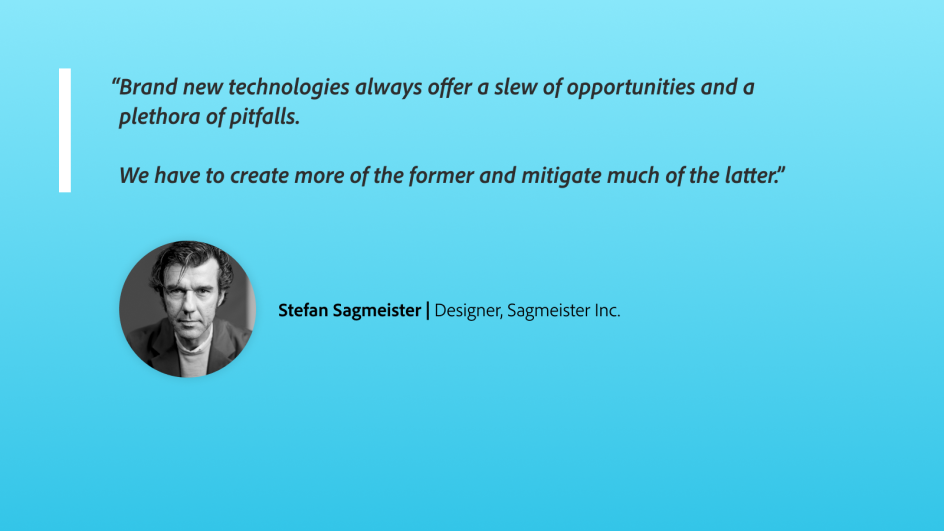
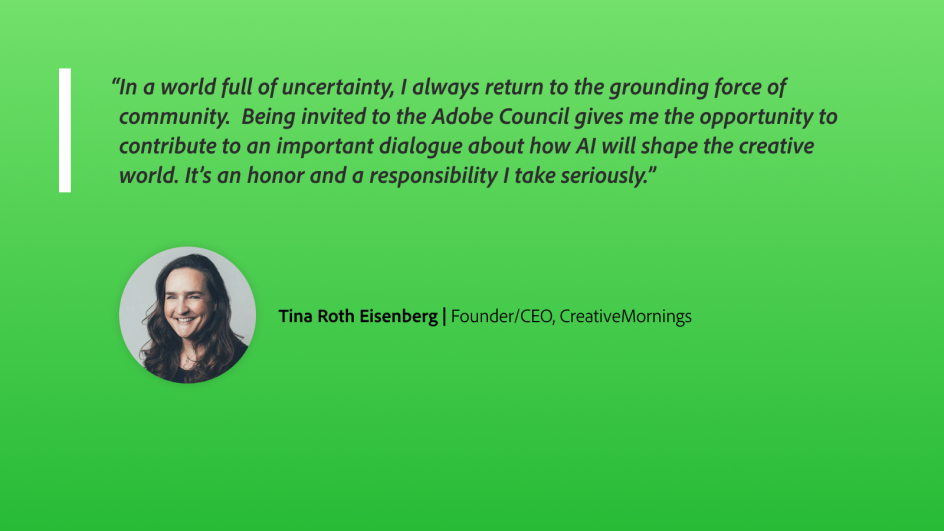
There’s Tina Roth Eisenberg, founder of CreativeMornings, who has built one of the most influential creative communities on the planet. Stefan Sagmeister, whose decades of design work have consistently challenged what the medium can mean. Fashion photographer Lindsay Adler, whose commitment to education has made her a trusted voice for photographers worldwide.
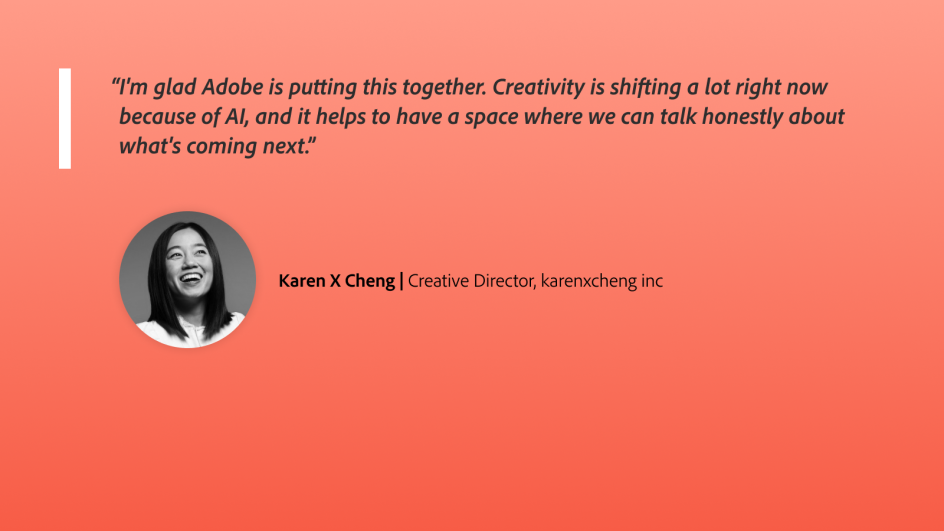
Other names on the list include Tim Tadder, who’s been exploring AI as a creative collaborator rather than a replacement. Brandon Baum, whose VFX studio represents a new generation of digital-native creators. Karen X Cheng, whose viral videos have introduced new tools and techniques to millions. And Scott Belsky, Behance founder and someone who’s been at the intersection between creativity and technology for years.
Why this matters
The Creative Collective isn’t just a fancy title for Adobe ambassadors. It’s aiming to provide three things that seem genuinely hard to find right now. Namely, honest conversation, real-world examples and actionable guidance.
You’ll hear from the group through community events, roundtables and published reports that break down what’s working (and what isn’t) across creative disciplines. The first major gathering point will be the Adobe 99U Conference, returning on 4 June in New York City.
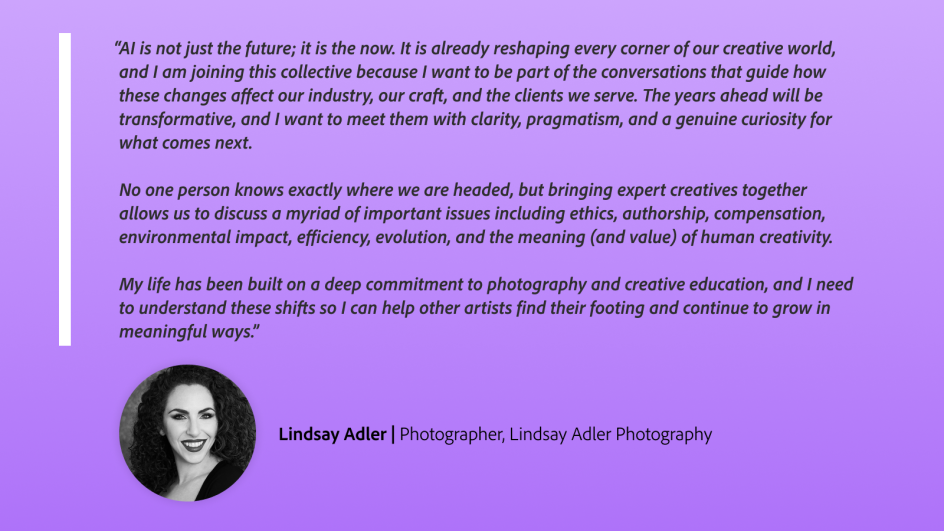
The focus will be on practical questions: How do you maintain authorship when using AI tools? What does compensation look like in this landscape? How do we ensure tech amplifies humanity rather than replacing it? The years ahead will be transformative, and the Collective aims to meet them with clarity, pragmatism and genuine curiosity.
Built on actual experience
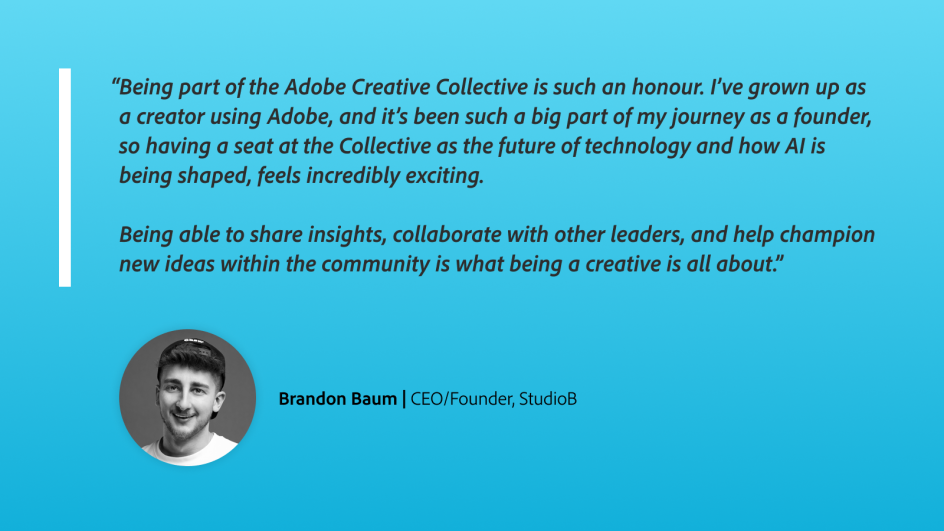
What makes this group compelling is that they’re not speaking hypothetically. Tim Tadder’s journey from film to digital to AI-driven work gives him a unique vantage point on technological transition. Brandon Baum has grown up as a creator using Adobe tools, bringing both personal connection and professional expertise. Karen X Cheng has made a career of turning innovation into inspiration through accessible, concept-driven videos.
The emphasis on community and shared learning runs throughout the initiative. Tina Roth Eisenberg has spent her career championing exactly these values through CreativeMornings, creating spaces where creativity and generosity intersect. This isn’t about gatekeeping knowledge or creating an exclusive club; it’s about work that benefits everyone, not just the people in the room.
Perhaps the most refreshing thing about the Creative Collective is its timing. We’re past the initial shock of “Holy smokes! AI can do that?” and moving into the more complex territory of “Okay, but how do we actually work with this?” That’s a harder, more nuanced conversation; but also a more useful one.
The initiative aligns with Adobe’s broader commitment to supporting creatives through programs such as Adobe Creative Apprenticeship and Adobe Digital Academy, as well as partnerships with organisations such as CreativeMornings. It’s part of a larger ecosystem designed to help creatives learn, connect, and build sustainable careers.
The commitment to playbooks, data-driven reports, and community dialogue suggests that Adobe understands this challenge well. The biannual summit highlights a promise to distil complex conversations into digestible themes and emerging opportunities.
The conversation we actually need
My take? Honestly, we need this. Not more hype, not more panic, but informed perspectives from people doing the work. People who understand that most of us aren’t trying to be early adopters or Luddites; we’re just trying to do good work, serve our clients, and figure out what comes next.
The Creative Collective represents a bet that the next chapter of creativity will be shaped not by extremes, but by the thoughtful, pragmatic work happening in between. By bringing together diverse voices across disciplines—from education and experimental technology to fashion photography and viral video—Adobe is creating space for the conversations that matter most.
Will it deliver on that promise? Time will tell. But the foundations look solid: experienced practitioners, a commitment to practical resources, and a recognition that technology’s impact on creative work isn’t something to celebrate or fear; it’s something to navigate thoughtfully, together.
That’s the conversation worth having. And it certainly feels like we have the right people in the room to discuss it.


