
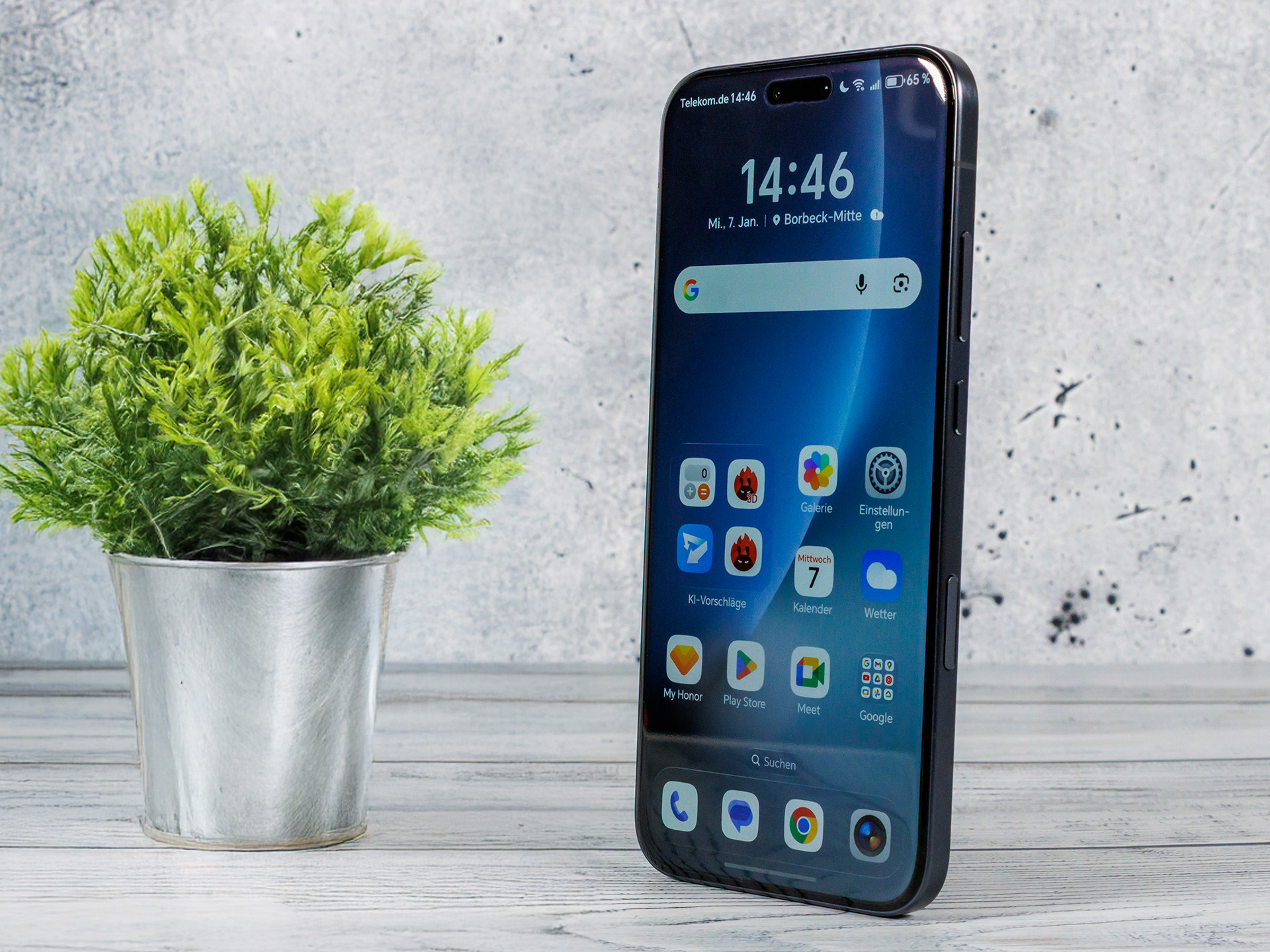
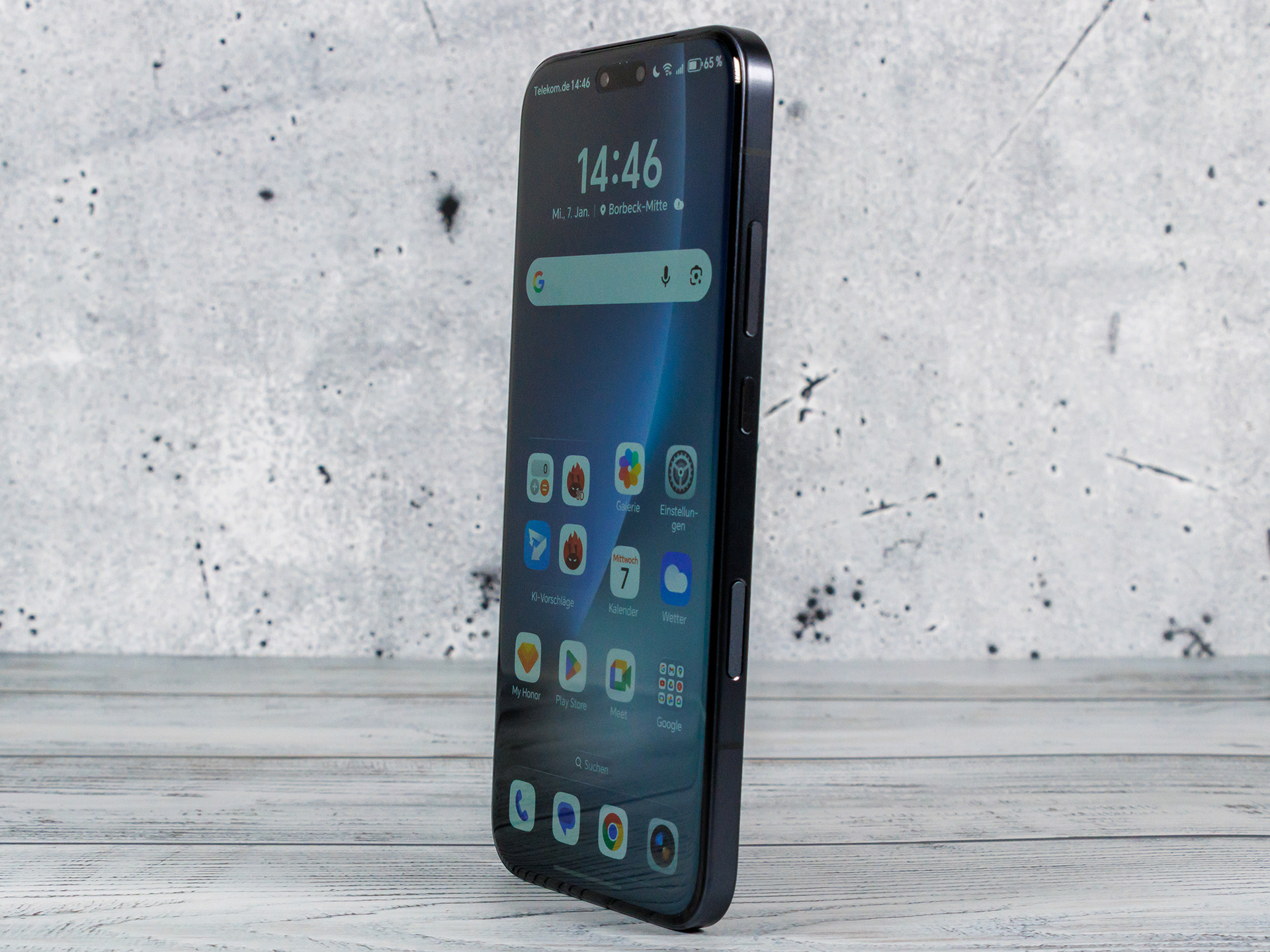
In our tests, the Honor Magic8 Pro proved itself to be a nearly complete flagship device, impressing us with its premium build quality, IP69K certification, and a vibrant LTPO OLED display boasting brightness of over 6,000 cd/m². The Snapdragon 8 Elite Gen 5 delivers excellent performance, though it throttles noticeably under sustained load. Other highlights include the seven-year update guarantee, versatile AI features (including an AI button), and comprehensive security options that include an ultrasonic fingerprint sensor and 3D facial recognition.
The camera impressed us with detailed photos, a powerful periscope zoom, and good image stabilization, even if its predecessor’s variable aperture is missing and the default settings tend towards bright, vibrant images. Despite the EU downsizing, the 6,270 mAh battery offers excellent battery life and recharges quickly at up to 100 watts. Weaknesses such as the currently slow Wi-Fi 7 and the lack of a UWB chip detract slightly from the overall impression, but don’t diminish the Magic8 Pro’s status as a very attractive Android flagship.
Pros
+ high-level performance
+ comprehensive IP certification
+ long-term update support
+ very good battery life
+ good camera setup
+ 3D face recognition and an ultrasonic fingerprint sensor
Cons
– no UWB
– smaller battery in Europe
– significant dip in performance under load
– no barometer
The Magic8 Pro has been available in Asia for some time (as we previously reported), and now it makes its appearance as the worldwide successor to the Magic7 Pro. Unfortunately, the European version comes with a significantly smaller battery and is also limited in terms of its storage options.
Nevertheless, the battery is comparatively large and promises long battery life. In the UK, the smartphone is only available in the storage configuration reviewed here, and has a suggested retail price of around £1,049.
Display
6.71 inch 20:9, 2808 x 1256 pixel 458 PPI, Capacitive touchscreen, OLED, 4320Hz PWM Dimming, LTPO 1 – 120 Hz, NanoCrystal Shield, glossy: yes, HDR, 120 Hz
Storage
512 GB UFS 4.1 Flash, 512 GB
, 484.39 GB free
Connections
1 USB 3.0 / 3.1 Gen1, USB-C Power Delivery (PD), 1 HDMI, 1 DisplayPort, 1 Infrared, Audio Connections: USB-C, 1 Fingerprint Reader, NFC, Brightness Sensor, Sensors: accelerometer, gyro, proximity, compass, OTG, IR-Blaster
Networking
802.11 a/b/g/n/ac/ax/be (a/b/g/n = Wi-Fi 4/ac = Wi-Fi 5/ax = Wi-Fi 6/ Wi-Fi 6E 6 GHz be = Wi-Fi 7), Bluetooth 6.0, 2G (850, 900, 1800, 1900 MHz), 3G (Band 1, 2, 4, 5, 6, 8, 19), LTE (Band 1, 2, 3, 4, 5, 7, 8, 12, 13, 17, 18, 19, 20, 25, 26, 28, 32, 34, 38, 39, 40, 41, 42, 48, 66, 71), 5G-Sub6 (Band 1, 2, 3, 5, 7, 8, 12, 20, 25, 26, 28, 38, 40, 41, 41, 48, 66, 71, 75, 77, 78, 79), Dual SIM, LTE, 5G, GPS
Size
height x width x depth (in mm): 8.3 x 161.2 x 75 ( = 0.33 x 6.35 x 2.95 in)
Battery
6270 mAh Lithium-Ion, Silicon-Carbon-Anode, two cells
Charging
wireless charging, fast charging / Quickcharge
Operating System
Android 16
Camera
Primary Camera: 50 MPix (1/1.3″, f/1.6, 23 mm, OIS) + 200 MPix (3.7x optical zoom, 1/1.4″, f/2.6, 85 mm, OIS) + 50 MPix (Ultra Wide / Macro, f/2.0, 12 mm); Camera2-API-Level: Level 3
Secondary Camera: 50 MPix (f/2.0, 21 mm) + 3D Depth Camera
Additional features
Speakers: Dual, USB-C-Cabel, SIM-Tool, MagicOS 10, 24 Months Warranty, Bluetooth Audio Codecs: SBC, AAC, aptX, aptX HD, aptX Adaptive, aptX Lossless, LC3, LHDC 5.0, LDAC | GNSS: GPS (L1, L5), Glonass (L1), BeiDou (B1I, B2a, B2b, B1C), Galileo (E1, E5a, E5b), QZSS (L1, L5), NavIC (L5) | HDR: HLG, HDR10, HDR10+, Dolby Vision, HDR Vivid | DRM Widevine L1 | up to 2 Nano-SIM, up to 2 eSIM | IP68 / / IP69 / IP69K | USB Copy Test: 395.9 MB/s (connected to Samsung Portable SSD T7 (USB 3.2 Gen. 2), Supported File Systems for external storages: FAT32, exFAT, NTFS | Body-SAR: 1.0 W/kg, Head-SAR: 0.97 W/kg | max. charging speed: 100 W (wired) / 80 W (wireless), fanless, waterproof
Weight
219 g ( = 7.73 oz / 0.48 pounds) ( = 0 oz / 0 pounds)
Note: The manufacturer may use components from different suppliers including display panels, drives or memory sticks with similar specifications.
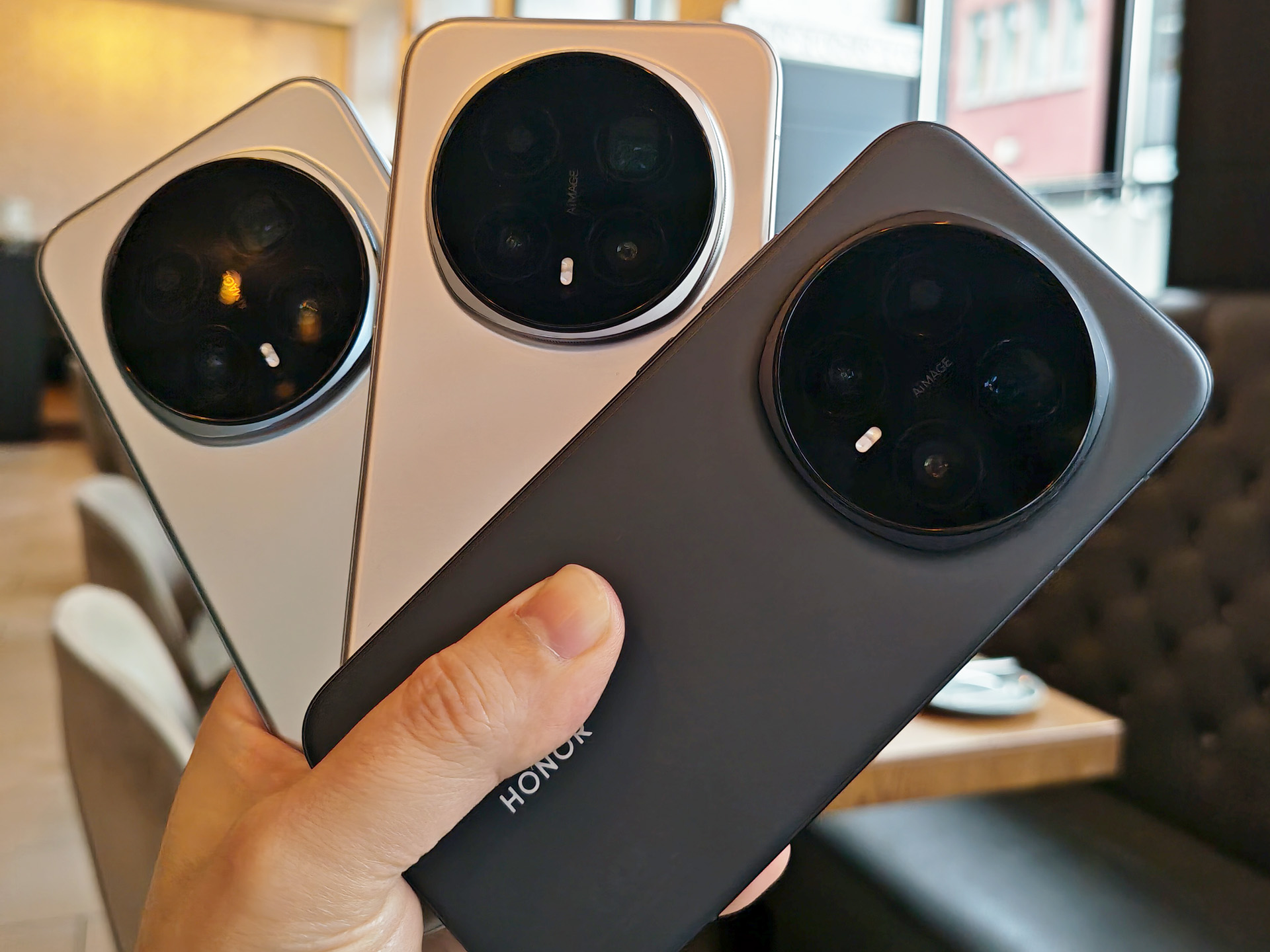
The Honor Magic8 Pro is available in black, Sunrise Gold, and Sky Cyan and has a nominal thickness of 8.3 mm (we measured 8.45 mm), or 14.4 mm including the camera. This makes it slightly slimmer than the previous model, the Magic7 Pro, when the camera is excluded, or up to 13.35 mm including the camera.
The matte frame gives the Magic8 Pro a more premium look and makes it less prone to fingerprints. The build quality is impressive, with consistent and tight gaps between the components. When twisted, the smartphone only creaks slightly.
The Magic8 Pro is IP69K certified, meaning it is dustproof and protected against immersion in water, steam, and high-pressure cleaning.
The Magic8 Pro’s technical specifications are very similar to its predecessor: USB 3.2 with video output, an IR blaster, and Wi-Fi 7. Bluetooth has been updated to version 6.0 and now supports Auracast, which is something Honor refers to as “audio sharing” in the settings.
However, UWB is still not on board.
The Magic8 Pro ships with Google Android 16 and the MagicOS 10 user interface. Numerous AI features are also included, such as deepfake detection, and new for this year: AI agents.
The security patches are up to date, and based on past experience, updates are usually distributed monthly during the first year, and quarterly thereafter. At times, the Magic7 Pro experienced even longer delays, but it also received the MagicOS 10 update shortly thereafter.
The Honor smartphone comes in a slim, plastic-free outer box. However, the company has provided no information regarding its sustainability. In Europe, the Magic8 Pro will receive both security and version updates for seven years.
User repair is not supported in case of damage.
With Wi-Fi 7, the Magic8 Pro supports the most advanced Wi-Fi standard currently available, covering all three frequency bands. Paired with our reference router, the Asus ROG Rapture GT-AXE11000, data transfer speeds are stable but comparatively slow. Honor will likely address this issue with an update. If this is the case, we will provide updated measurements.
The smartphone supports all of the modern mobile network standards with a wide range of frequencies.
| Networking | |
| Honor Magic8 Pro 802.11 a/b/g/n/ac/ax/be |
|
| iperf3 transmit AXE11000 |
|
| iperf3 receive AXE11000 |
|
| iperf3 transmit AXE11000 6GHz |
|
| iperf3 receive AXE11000 6GHz |
|
| Apple iPhone 17 Pro 802.11 a/b/g/n/ac/ax/be |
|
| iperf3 transmit AXE11000 |
|
| iperf3 receive AXE11000 |
|
| iperf3 transmit AXE11000 6GHz |
|
| iperf3 receive AXE11000 6GHz |
|
| Samsung Galaxy S25 Ultra Wi-Fi 7 |
|
| iperf3 transmit AXE11000 |
|
| iperf3 receive AXE11000 |
|
| iperf3 transmit AXE11000 6GHz |
|
| iperf3 receive AXE11000 6GHz |
|
| Vivo X300 Pro 802.11 a/b/g/n/ac/ax/be |
|
| iperf3 transmit AXE11000 |
|
| iperf3 receive AXE11000 |
|
| iperf3 transmit AXE11000 6GHz |
|
| iperf3 receive AXE11000 6GHz |
|
| Xiaomi Poco F8 Ultra 802.11 a/b/g/n/ac/ax/be |
|
| iperf3 transmit AXE11000 |
|
| iperf3 receive AXE11000 |
|
| Average 802.11 a/b/g/n/ac/ax/be |
|
| iperf3 transmit AXE11000 |
|
| iperf3 receive AXE11000 |
|
| iperf3 transmit AXE11000 6GHz |
|
| iperf3 receive AXE11000 6GHz |
|
| Average of class Smartphone |
|
| iperf3 transmit AXE11000 |
|
| iperf3 receive AXE11000 |
|
| iperf3 transmit AXE11000 6GHz |
|
| iperf3 receive AXE11000 6GHz |
|
Honor Magic8 Pro 802.11 a/b/g/n/ac/ax/be; iperf3 transmit AXE11000 6GHz; iperf 3.1.3: Ø1856 (1812-1896)
Apple iPhone 17 Pro 802.11 a/b/g/n/ac/ax/be; iperf3 transmit AXE11000 6GHz; iperf 3.1.3: Ø1667 (1563-1686)
Honor Magic8 Pro 802.11 a/b/g/n/ac/ax/be; iperf3 receive AXE11000 6GHz; iperf 3.1.3: Ø790 (773-809)
Apple iPhone 17 Pro 802.11 a/b/g/n/ac/ax/be; iperf3 receive AXE11000 6GHz; iperf 3.1.3: Ø1215 (1179-1261)
Honor Magic8 Pro 802.11 a/b/g/n/ac/ax/be; iperf3 transmit AXE11000; iperf 3.1.3: Ø976 (951-1002)
Apple iPhone 17 Pro 802.11 a/b/g/n/ac/ax/be; iperf3 transmit AXE11000; iperf 3.1.3: Ø834 (647-963)
Honor Magic8 Pro 802.11 a/b/g/n/ac/ax/be; iperf3 receive AXE11000; iperf 3.1.3: Ø579 (475-641)
Apple iPhone 17 Pro 802.11 a/b/g/n/ac/ax/be; iperf3 receive AXE11000; iperf 3.1.3: Ø823 (780-864)
Outdoors, the GPS fix is quick and accurate. Indoors, however, the performance can be quite inaccurate and fluctuating.
On a bike tour, we compared the Magic8 Pro with the Garmin Venu 2, with the smartphone tracking the route quite accurately, but not as precisely as the fitness smartwatch. For navigation purposes, however, this was perfectly adequate.
The Honor Magic8 Pro can accommodate two nano-SIM cards or up to two eSIMs. The device supports standards such as Wi-Fi calling, VoLTE, and Vo5G.
When held to the ear, the call quality is very natural, and even loud background noise is reliably eliminated. The speakerphone delivers good sound quality, but the microphone range could be somewhat better.

The Honor Magic8 Pro’s front camera delivers high-resolution images, utilizes pixel binning, and employs a 3D depth sensor for focus assistance. This results in attractive selfies that boast a high level of detail and sharpness. Videos can be recorded at a maximum of 4K/60fps, but then appear somewhat over-processed. A reduced frame rate of 30fps allows for more detailed recordings.
With the main camera, Honor has removed the variable aperture from the Magic7 Pro (f/1.4 – f/2.0), with the Magic8 Pro using a fixed aperture of f/1.6. What is new, however, is the optical image stabilization with CIPA 5.5, which we are already familiar with from Vivo X300 Pro. We have also conducted a photo comparison with both smartphones.
Our tests revealed impressive image quality, delivering attractive shots with a pleasing level of detail. However, the default settings result in images that are significantly brightened, and colors are oversaturated. Users who prefer a different look can adjust this in the settings.
The ultra-wide-angle lens delivers acceptable results and also functions as a macro lens. However, the depth of field and detail towards the edges are somewhat soft.
The optimized periscope zoom produces good photos that are sufficient for most needs, even in low light. A maximum magnification of 100x is achievable, which can be optionally enhanced by AI. This often works quite well with objects, but less so with people or more complex subjects.
Videos are recorded in Ultra HD at up to 120fps and benefit from good image stabilization. We were also impressed with the recorded audio.
Image comparison
Choose a scene and navigate within the first image. One click changes the position on touchscreens. One click on the zoomed-in image opens the original in a new window. The first image shows the scaled photograph of the test device.
Main cameraMain cameraUltra-wide angle5x zoomLow light

click to load images

6.2 ∆E
5 ∆E
8.9 ∆E
5.9 ∆E
6.3 ∆E
3.1 ∆E
3.8 ∆E
7.6 ∆E
7.3 ∆E
8.2 ∆E
1 ∆E
3.9 ∆E
7.4 ∆E
3.8 ∆E
3.8 ∆E
2.4 ∆E
6.9 ∆E
8 ∆E
4.6 ∆E
3 ∆E
3.5 ∆E
7.8 ∆E
7.8 ∆E
6.7 ∆E

18.6 ∆E
23.3 ∆E
22.7 ∆E
20.9 ∆E
26.5 ∆E
31.1 ∆E
23.7 ∆E
19.6 ∆E
19.2 ∆E
21.9 ∆E
29.4 ∆E
31.1 ∆E
17.4 ∆E
26.5 ∆E
16.7 ∆E
28.3 ∆E
23.7 ∆E
25.2 ∆E
28.4 ∆E
28.5 ∆E
31.7 ∆E
24.5 ∆E
18.6 ∆E
11.6 ∆E
The Honor Magic8 Pro only comes with a USB-C cable and a SIM card tool. Power adapters and protective cases must be purchased separately and can be found on various online stores such as Amazon.
The warranty in Germany covers 24 months.
The Magic8 Pro’s capacitive touchscreen is smooth to the touch and offers precise input. An ultrasonic fingerprint sensor is integrated into the display, and it unlocks the smartphone quickly, boasting a high recognition rate. Additionally, the Honor smartphone remains the only one of its kind running Android to offer 3D face recognition, which is also speedy, accurate, and secure.
The new AI button visually resembles the iPhone’s camera button, but its functionality also includes the iPhone’s action button, allowing it to distinguish between three different press gestures. Each of these can be assigned a different function. By default, a long press launches an AI overview, displaying the choice between AI reminders and Circle to Search. The latter can be accessed in a less cumbersome way, and it can be customized extensively in the settings.
The linear vibration motor delivers crisp and, if desired, very distinct feedback.

The 6.71-inch (17.04 cm) OLED screen displays sharp images, supports all HDR standards, and can adjust the refresh rate between 1 and 120 Hz.
The peak brightness of just over 6,000 cd/m² is achieved exclusively with HDR content, but even when it comes to smaller white areas (APL18: 3,233 cd/m²), the Magic8 Pro maintains high levels of brightness.
High-frequency PWM dimming makes the panel a comparatively eye-friendly OLED among its peers. However, due to the 120 Hz base frequency, discomfort cannot be completely ruled out for users sensitive to such issues. Honor also includes numerous other features to protect the user’s eyes and can even counteract motion sickness.
| 1863 cd/m² |
1816 cd/m² |
1789 cd/m² |
||
| 1869 cd/m² |
1809 cd/m² |
1778 cd/m² |
||
| 1858 cd/m² |
1812 cd/m² |
1793 cd/m² |
||
Distribution of brightness
tested with X-Rite i1Pro 3
Maximum: 1869 cd/m² (Nits) Average: 1820.8 cd/m² Minimum: 1.07 cd/m²
Brightness Distribution: 95 %
Center on Battery: 1809 cd/m²
Contrast: ∞:1 (Black: 0 cd/m²)
ΔE ColorChecker Calman: 1.2 | ∀{0.5-29.43 Ø4.77}
ΔE Greyscale Calman: 1.8 | ∀{0.09-98 Ø5}
98.8% sRGB (Calman 2D)
Gamma: 2.22
CCT: 6446 K
| Honor Magic8 Pro OLED, 2808×1256, 6.7″ |
Apple iPhone 17 Pro OLED, 2622×1206, 6.3″ |
Samsung Galaxy S25 Ultra Dynamic AMOLED 2X, 3120×1440, 6.9″ |
Vivo X300 Pro AMOLED, 2800×1260, 6.8″ |
Xiaomi Poco F8 Ultra AMOLED, 2608×1200, 6.9″ |
Honor Magic7 Pro OLED, 2800×1280, 6.8″ |
|
|---|---|---|---|---|---|---|
| Screen |
-21% |
-49% |
-7% |
-4% |
8% |
|
| Brightness middle (cd/m²) |
1809 |
1059 -41% |
1357 -25% |
1574 -13% |
1771 -2% |
1607 -11% |
| Brightness (cd/m²) |
1821 |
1060 -42% |
1350 -26% |
1562 -14% |
1773 -3% |
1609 -12% |
| Brightness Distribution (%) |
95 |
99 4% |
94 -1% |
93 -2% |
99 4% |
95 0% |
| Black Level * (cd/m²) | ||||||
| Colorchecker dE 2000 * |
1.2 |
1.3 -8% |
3.1 -158% |
1.3 -8% |
1.3 -8% |
0.9 25% |
| Colorchecker dE 2000 max. * |
2.9 |
3.6 -24% |
4.7 -62% |
2.7 7% |
2.8 3% |
1.8 38% |
| Greyscale dE 2000 * |
1.8 |
2.1 -17% |
2.2 -22% |
2 -11% |
2.1 -17% |
1.7 6% |
| Gamma |
2.22 99% |
2.2 100% |
2 110% |
2.26 97% |
2.25 98% |
2.24 98% |
| CCT |
6446 101% |
6542 99%  |
6391 102%  |
6709 97% |
6452 101% |
6346 102% |
* … smaller is better
| Display / APL18 Peak Brightness | |
| Xiaomi Poco F8 Ultra Adreno 840, SD 8 Elite Gen 5, 512 GB UFS 4.1 Flash |
|
| Honor Magic8 Pro Adreno 840, SD 8 Elite Gen 5, 512 GB UFS 4.1 Flash |
|
| Apple iPhone 17 Pro A19 Pro 6-Core GPU, A19 Pro, Apple 512GB NVMe |
|
| Samsung Galaxy S25 Ultra Adreno 830, SD 8 Elite f. Galaxy, 256 GB UFS 4.0 Flash |
|
| Vivo X300 Pro Mali-G1 Ultra MC12, Dimensity 9500, 512 GB UFS 4.1 Flash |
|
| Honor Magic7 Pro Adreno 830, SD 8 Elite, 512 GB UFS 4.0 Flash |
|
| Display / HDR Peak Brightness | |
| Honor Magic8 Pro Adreno 840, SD 8 Elite Gen 5, 512 GB UFS 4.1 Flash |
|
| Honor Magic7 Pro Adreno 830, SD 8 Elite, 512 GB UFS 4.0 Flash |
|
| Xiaomi Poco F8 Ultra Adreno 840, SD 8 Elite Gen 5, 512 GB UFS 4.1 Flash |
|
| Apple iPhone 17 Pro A19 Pro 6-Core GPU, A19 Pro, Apple 512GB NVMe |
|
| Vivo X300 Pro Mali-G1 Ultra MC12, Dimensity 9500, 512 GB UFS 4.1 Flash |
|
| Samsung Galaxy S25 Ultra Adreno 830, SD 8 Elite f. Galaxy, 256 GB UFS 4.0 Flash |
|
Screen Flickering / PWM (Pulse-Width Modulation)
ℹ
To dim the screen, some notebooks will simply cycle the backlight on and off in rapid succession – a method called Pulse Width Modulation (PWM) . This cycling frequency should ideally be undetectable to the human eye. If said frequency is too low, users with sensitive eyes may experience strain or headaches or even notice the flickering altogether.
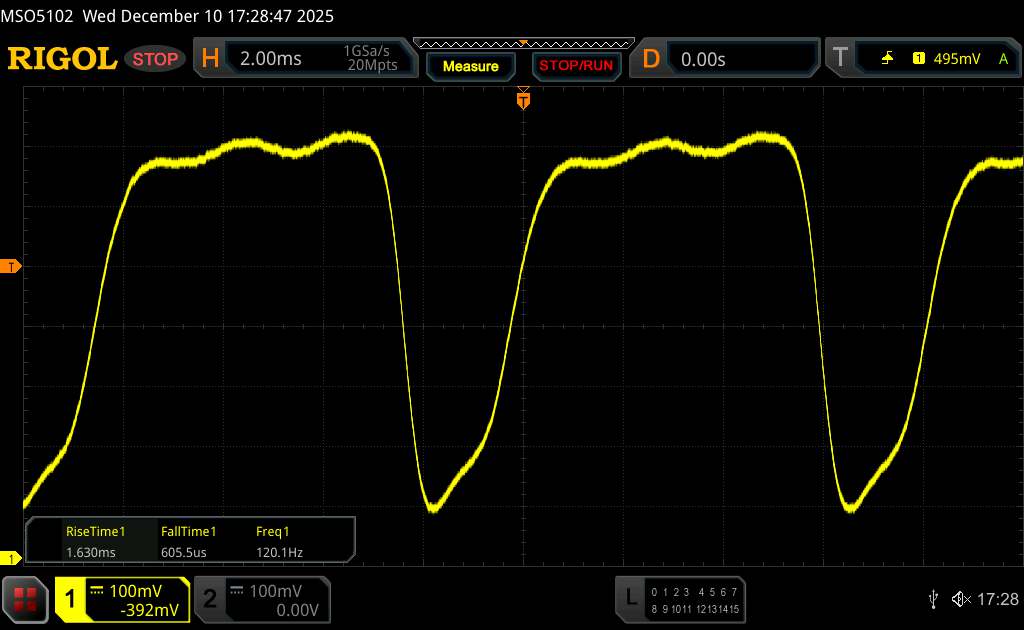
| Screen flickering / PWM detected | 120 Hz Amplitude: 12.82 % Secondary Frequency: 4347 Hz |
 |
|
|
The display backlight flickers at 120 Hz (worst case, e.g., utilizing PWM) . The frequency of 120 Hz is very low, so the flickering may cause eyestrain and headaches after extended use. In comparison: 53 % of all tested devices do not use PWM to dim the display. If PWM was detected, an average of 8083 (minimum: 5 – maximum: 343500) Hz was measured. |
|||
A series of measurements with a fixed zoom level and different brightness settings (The amplitude curve at minimum brightness appears flat, but this is due to the scaling. The enlarged version of the amplitude at minimum brightness can be seen in the info box.)
In our tests, we achieved the most natural color reproduction when the Professional color mode was selected together with the Warm color temperature setting. Although the Calman measurements were then slightly worse than with the predecessor, this difference was imperceptible to the naked eye.
Display Response Times
ℹ
Display response times show how fast the screen is able to change from one color to the next. Slow response times can lead to afterimages and can cause moving objects to appear blurry (ghosting). Gamers of fast-paced 3D titles should pay special attention to fast response times.
| ↔ Response Time Black to White | ||
|---|---|---|
| 1.04 ms … rise ↗ and fall ↘ combined | ↗ 0.5055 ms rise |
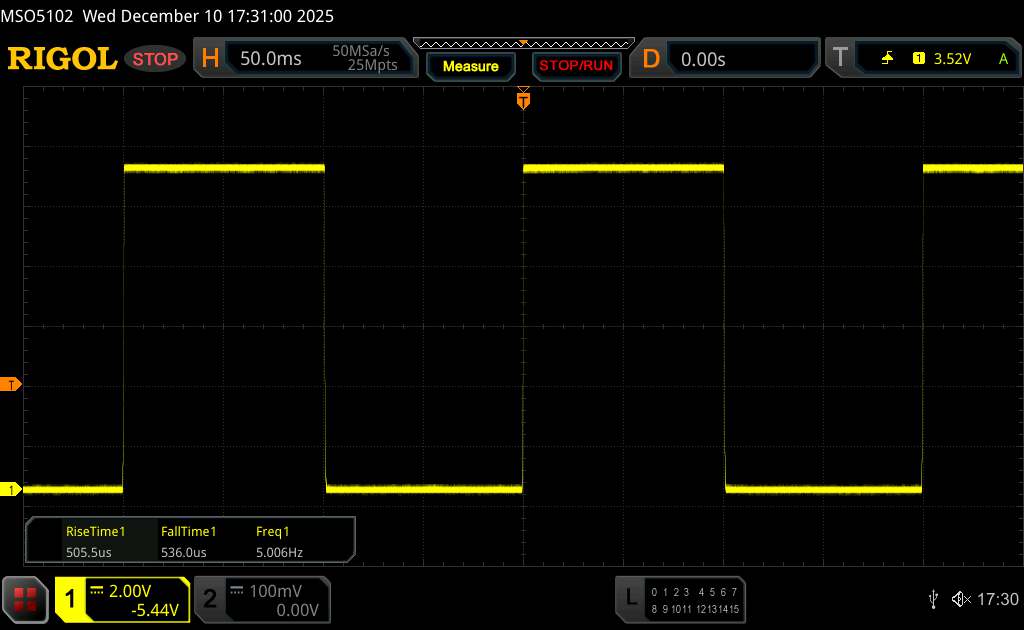 |
| ↘ 0.536 ms fall | ||
| The screen shows very fast response rates in our tests and should be very well suited for fast-paced gaming. In comparison, all tested devices range from 0.1 (minimum) to 240 (maximum) ms. » 4 % of all devices are better. This means that the measured response time is better than the average of all tested devices (20.2 ms). |
||
| ↔ Response Time 50% Grey to 80% Grey | ||
| 0.63 ms … rise ↗ and fall ↘ combined | ↗ 0.324 ms rise |
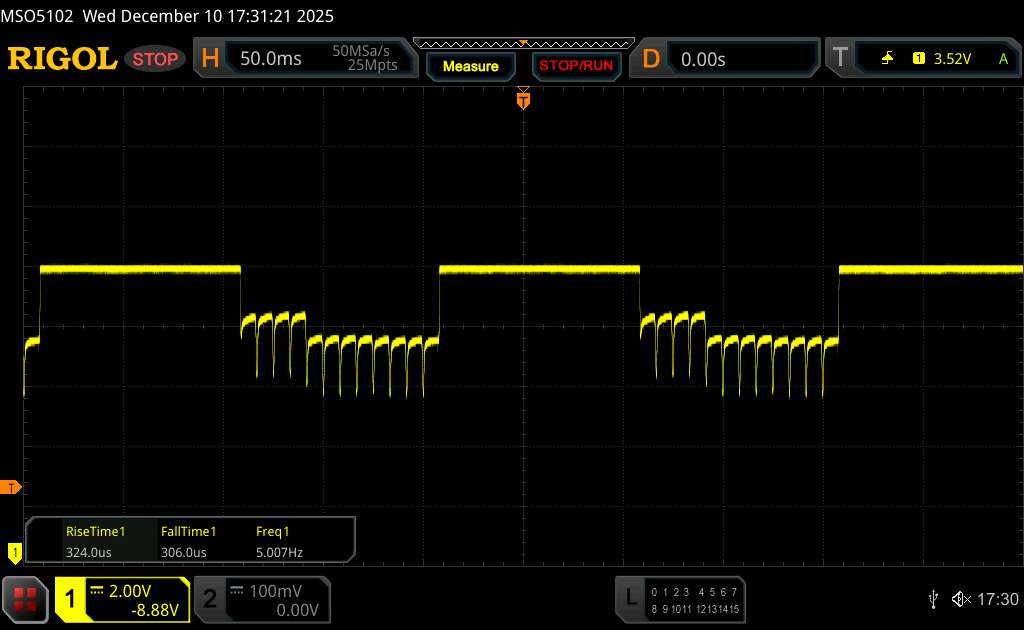 |
| ↘ 0.306 ms fall | ||
| The screen shows very fast response rates in our tests and should be very well suited for fast-paced gaming. In comparison, all tested devices range from 0.165 (minimum) to 636 (maximum) ms. » 1 % of all devices are better. This means that the measured response time is better than the average of all tested devices (31.6 ms). |
||
Outdoors, the Honor Magic8 Pro was very impressive and remained easily readable in all situations. The only thing missing is an anti-reflective screen.
The panel’s viewing angle stability is excellent, and the brightness only dropped slightly at wide viewing angles.
Das Honor Magic8 Pro is powered by the very up-to-date Snapdragon 8 Elite Gen 5, which is responsible for excellent performance. The smartphone also delivers very good results in benchmarks in terms of peak performance. However, it is unable to maintain this level over the long term (see temperature).
| Geekbench 6.5 | |
| Single-Core | |
| Apple iPhone 17 Pro Apple A19 Pro, A19 Pro 6-Core GPU, 12288 |
|
| Honor Magic8 Pro Qualcomm Snapdragon 8 Elite Gen 5, Adreno 840, 12288 |
|
| Xiaomi Poco F8 Ultra Qualcomm Snapdragon 8 Elite Gen 5, Adreno 840, 16384 |
|
| Average Qualcomm Snapdragon 8 Elite Gen 5 (3498 – 3831, n=10) |
|
| Vivo X300 Pro MediaTek Dimensity 9500, Mali-G1 Ultra MC12, 16384 |
|
| Samsung Galaxy S25 Ultra Qualcomm Snapdragon 8 Elite for Galaxy, Adreno 830, 12288 |
|
| Average of class Smartphone (196 – 3883, n=214, last 2 years) |
|
| Multi-Core | |
| Honor Magic8 Pro Qualcomm Snapdragon 8 Elite Gen 5, Adreno 840, 12288 |
|
| Average Qualcomm Snapdragon 8 Elite Gen 5 (10620 – 12383, n=10) |
|
| Xiaomi Poco F8 Ultra Qualcomm Snapdragon 8 Elite Gen 5, Adreno 840, 16384 |
|
| Vivo X300 Pro MediaTek Dimensity 9500, Mali-G1 Ultra MC12, 16384 |
|
| Apple iPhone 17 Pro Apple A19 Pro, A19 Pro 6-Core GPU, 12288 |
|
| Samsung Galaxy S25 Ultra Qualcomm Snapdragon 8 Elite for Galaxy, Adreno 830, 12288 |
|
| Average of class Smartphone (830 – 11634, n=214, last 2 years) |
|
| PCMark for Android – Work 3.0 | |
| Honor Magic8 Pro Qualcomm Snapdragon 8 Elite Gen 5, Adreno 840, 12288 |
|
| Average Qualcomm Snapdragon 8 Elite Gen 5 (18445 – 28557, n=8) |
|
| Samsung Galaxy S25 Ultra Qualcomm Snapdragon 8 Elite for Galaxy, Adreno 830, 12288 |
|
| Xiaomi Poco F8 Ultra Qualcomm Snapdragon 8 Elite Gen 5, Adreno 840, 16384 |
|
| Vivo X300 Pro MediaTek Dimensity 9500, Mali-G1 Ultra MC12, 16384 |
|
| Average of class Smartphone (4507 – 28557, n=186, last 2 years) |
|
| CrossMark – Overall | |
| Honor Magic8 Pro Qualcomm Snapdragon 8 Elite Gen 5, Adreno 840, 12288 |
|
| Xiaomi Poco F8 Ultra Qualcomm Snapdragon 8 Elite Gen 5, Adreno 840, 16384 |
|
| Samsung Galaxy S25 Ultra Qualcomm Snapdragon 8 Elite for Galaxy, Adreno 830, 12288 |
|
| Average Qualcomm Snapdragon 8 Elite Gen 5 (1698 – 2722, n=7) |
|
| Average of class Smartphone (187 – 2722, n=122, last 2 years) |
|
| BaseMark OS II | |
| Overall | |
| Honor Magic8 Pro Qualcomm Snapdragon 8 Elite Gen 5, Adreno 840, 12288 |
|
| Xiaomi Poco F8 Ultra Qualcomm Snapdragon 8 Elite Gen 5, Adreno 840, 16384 |
|
| Average Qualcomm Snapdragon 8 Elite Gen 5 (7945 – 16690, n=9) |
|
| Samsung Galaxy S25 Ultra Qualcomm Snapdragon 8 Elite for Galaxy, Adreno 830, 12288 |
|
| Vivo X300 Pro MediaTek Dimensity 9500, Mali-G1 Ultra MC12, 16384 |
|
| Average of class Smartphone (1196 – 16690, n=150, last 2 years) |
|
| System | |
| Xiaomi Poco F8 Ultra Qualcomm Snapdragon 8 Elite Gen 5, Adreno 840, 16384 |
|
| Honor Magic8 Pro Qualcomm Snapdragon 8 Elite Gen 5, Adreno 840, 12288 |
|
| Average Qualcomm Snapdragon 8 Elite Gen 5 (9356 – 21153, n=9) |
|
| Samsung Galaxy S25 Ultra Qualcomm Snapdragon 8 Elite for Galaxy, Adreno 830, 12288 |
|
| Vivo X300 Pro MediaTek Dimensity 9500, Mali-G1 Ultra MC12, 16384 |
|
| Average of class Smartphone (2368 – 21153, n=150, last 2 years) |
|
| Memory | |
| Honor Magic8 Pro Qualcomm Snapdragon 8 Elite Gen 5, Adreno 840, 12288 |
|
| Xiaomi Poco F8 Ultra Qualcomm Snapdragon 8 Elite Gen 5, Adreno 840, 16384 |
|
| Samsung Galaxy S25 Ultra Qualcomm Snapdragon 8 Elite for Galaxy, Adreno 830, 12288 |
|
| Average Qualcomm Snapdragon 8 Elite Gen 5 (6789 – 24052, n=9) |
|
| Vivo X300 Pro MediaTek Dimensity 9500, Mali-G1 Ultra MC12, 16384 |
|
| Average of class Smartphone (962 – 24052, n=150, last 2 years) |
|
| Graphics | |
| Average Qualcomm Snapdragon 8 Elite Gen 5 (41267 – 61797, n=9) |
|
| Xiaomi Poco F8 Ultra Qualcomm Snapdragon 8 Elite Gen 5, Adreno 840, 16384 |
|
| Honor Magic8 Pro Qualcomm Snapdragon 8 Elite Gen 5, Adreno 840, 12288 |
|
| Samsung Galaxy S25 Ultra Qualcomm Snapdragon 8 Elite for Galaxy, Adreno 830, 12288 |
|
| Vivo X300 Pro MediaTek Dimensity 9500, Mali-G1 Ultra MC12, 16384 |
|
| Average of class Smartphone (1046 – 384996, n=150, last 2 years) |
|
| Web | |
| Honor Magic8 Pro Qualcomm Snapdragon 8 Elite Gen 5, Adreno 840, 12288 |
|
| Samsung Galaxy S25 Ultra Qualcomm Snapdragon 8 Elite for Galaxy, Adreno 830, 12288 |
|
| Vivo X300 Pro MediaTek Dimensity 9500, Mali-G1 Ultra MC12, 16384 |
|
| Xiaomi Poco F8 Ultra Qualcomm Snapdragon 8 Elite Gen 5, Adreno 840, 16384 |
|
| Average Qualcomm Snapdragon 8 Elite Gen 5 (1561 – 2587, n=9) |
|
| Average of class Smartphone (858 – 2587, n=150, last 2 years) |
|
| Geekbench AI | |
| Single Precision NPU 1.5 | |
| Apple iPhone 17 Pro Apple A19 Pro, A19 Pro 6-Core GPU, 12288 |
|
| Honor Magic8 Pro Qualcomm Snapdragon 8 Elite Gen 5, Adreno 840, 12288 |
|
| Average of class Smartphone (80 – 5210, n=64, last 2 years) |
|
| Vivo X300 Pro MediaTek Dimensity 9500, Mali-G1 Ultra MC12, 16384 |
|
| Average Qualcomm Snapdragon 8 Elite Gen 5 (511 – 843, n=9) |
|
| Xiaomi Poco F8 Ultra Qualcomm Snapdragon 8 Elite Gen 5, Adreno 840, 16384 |
|
| Half Precision NPU 1.5 | |
| Apple iPhone 17 Pro Apple A19 Pro, A19 Pro 6-Core GPU, 12288 |
|
| Average of class Smartphone (80 – 36297, n=64, last 2 years) |
|
| Honor Magic8 Pro Qualcomm Snapdragon 8 Elite Gen 5, Adreno 840, 12288 |
|
| Vivo X300 Pro MediaTek Dimensity 9500, Mali-G1 Ultra MC12, 16384 |
|
| Average Qualcomm Snapdragon 8 Elite Gen 5 (486 – 843, n=9) |
|
| Xiaomi Poco F8 Ultra Qualcomm Snapdragon 8 Elite Gen 5, Adreno 840, 16384 |
|
| Quantized NPU 1.5 | |
| Apple iPhone 17 Pro Apple A19 Pro, A19 Pro 6-Core GPU, 12288 |
|
| Average of class Smartphone (133 – 49889, n=64, last 2 years) |
|
| Honor Magic8 Pro Qualcomm Snapdragon 8 Elite Gen 5, Adreno 840, 12288 |
|
| Vivo X300 Pro MediaTek Dimensity 9500, Mali-G1 Ultra MC12, 16384 |
|
| Average Qualcomm Snapdragon 8 Elite Gen 5 (974 – 1986, n=9) |
|
| Xiaomi Poco F8 Ultra Qualcomm Snapdragon 8 Elite Gen 5, Adreno 840, 16384 |
|
| AI Benchmark – Score V6 | |
| Honor Magic8 Pro Qualcomm Snapdragon 8 Elite Gen 5, Adreno 840, 12288 |
|
| Vivo X300 Pro MediaTek Dimensity 9500, Mali-G1 Ultra MC12, 16384 |
|
| Xiaomi Poco F8 Ultra Qualcomm Snapdragon 8 Elite Gen 5, Adreno 840, 16384 |
|
| Average Qualcomm Snapdragon 8 Elite Gen 5 (1098 – 22780, n=6) |
|
| Samsung Galaxy S25 Ultra Qualcomm Snapdragon 8 Elite for Galaxy, Adreno 830, 12288 |
|
| Average of class Smartphone (55.6 – 22780, n=77, last 2 years) |
|
Die Adreno 840 liefert Grafikpower pur, unterstützt Raytracing und zeigt im Test Spitzenergebnisse.
| 3DMark / Wild Life Extreme Unlimited | |
| Honor Magic8 Pro Adreno 840, SD 8 Elite Gen 5, 512 GB UFS 4.1 Flash |
|
| Vivo X300 Pro Mali-G1 Ultra MC12, Dimensity 9500, 512 GB UFS 4.1 Flash |
|
| Xiaomi Poco F8 Ultra Adreno 840, SD 8 Elite Gen 5, 512 GB UFS 4.1 Flash |
|
| Samsung Galaxy S25 Ultra Adreno 830, SD 8 Elite f. Galaxy, 256 GB UFS 4.0 Flash |
|
| Apple iPhone 17 Pro A19 Pro 6-Core GPU, A19 Pro, Apple 512GB NVMe |
|
| 3DMark / Wild Life Extreme | |
| Honor Magic8 Pro Adreno 840, SD 8 Elite Gen 5, 512 GB UFS 4.1 Flash |
|
| Vivo X300 Pro Mali-G1 Ultra MC12, Dimensity 9500, 512 GB UFS 4.1 Flash |
|
| Xiaomi Poco F8 Ultra Adreno 840, SD 8 Elite Gen 5, 512 GB UFS 4.1 Flash |
|
| Samsung Galaxy S25 Ultra Adreno 830, SD 8 Elite f. Galaxy, 256 GB UFS 4.0 Flash |
|
| Apple iPhone 17 Pro A19 Pro 6-Core GPU, A19 Pro, Apple 512GB NVMe |
|
| 3DMark / Wild Life Unlimited Score | |
| Xiaomi Poco F8 Ultra Adreno 840, SD 8 Elite Gen 5, 512 GB UFS 4.1 Flash |
|
| Honor Magic8 Pro Adreno 840, SD 8 Elite Gen 5, 512 GB UFS 4.1 Flash |
|
| Vivo X300 Pro Mali-G1 Ultra MC12, Dimensity 9500, 512 GB UFS 4.1 Flash |
|
| Samsung Galaxy S25 Ultra Adreno 830, SD 8 Elite f. Galaxy, 256 GB UFS 4.0 Flash |
|
| Apple iPhone 17 Pro A19 Pro 6-Core GPU, A19 Pro, Apple 512GB NVMe |
|
| 3DMark / Solar Bay Score | |
| Vivo X300 Pro Mali-G1 Ultra MC12, Dimensity 9500, 512 GB UFS 4.1 Flash |
|
| Honor Magic8 Pro Adreno 840, SD 8 Elite Gen 5, 512 GB UFS 4.1 Flash |
|
| Xiaomi Poco F8 Ultra Adreno 840, SD 8 Elite Gen 5, 512 GB UFS 4.1 Flash |
|
| Samsung Galaxy S25 Ultra Adreno 830, SD 8 Elite f. Galaxy, 256 GB UFS 4.0 Flash |
|
| Apple iPhone 17 Pro A19 Pro 6-Core GPU, A19 Pro, Apple 512GB NVMe |
|
| 3DMark / Solar Bay Unlimited Score | |
| Vivo X300 Pro Mali-G1 Ultra MC12, Dimensity 9500, 512 GB UFS 4.1 Flash |
|
| Honor Magic8 Pro Adreno 840, SD 8 Elite Gen 5, 512 GB UFS 4.1 Flash |
|
| Samsung Galaxy S25 Ultra Adreno 830, SD 8 Elite f. Galaxy, 256 GB UFS 4.0 Flash |
|
| Xiaomi Poco F8 Ultra Adreno 840, SD 8 Elite Gen 5, 512 GB UFS 4.1 Flash |
|
| Apple iPhone 17 Pro A19 Pro 6-Core GPU, A19 Pro, Apple 512GB NVMe |
|
| 3DMark / Steel Nomad Light Unlimited Score | |
| Vivo X300 Pro Mali-G1 Ultra MC12, Dimensity 9500, 512 GB UFS 4.1 Flash |
|
| Honor Magic8 Pro Adreno 840, SD 8 Elite Gen 5, 512 GB UFS 4.1 Flash |
|
| Xiaomi Poco F8 Ultra Adreno 840, SD 8 Elite Gen 5, 512 GB UFS 4.1 Flash |
|
| Apple iPhone 17 Pro A19 Pro 6-Core GPU, A19 Pro, Apple 512GB NVMe |
|
| Samsung Galaxy S25 Ultra Adreno 830, SD 8 Elite f. Galaxy, 256 GB UFS 4.0 Flash |
|
| 3DMark / Steel Nomad Light Score | |
| Vivo X300 Pro Mali-G1 Ultra MC12, Dimensity 9500, 512 GB UFS 4.1 Flash |
|
| Honor Magic8 Pro Adreno 840, SD 8 Elite Gen 5, 512 GB UFS 4.1 Flash |
|
| Xiaomi Poco F8 Ultra Adreno 840, SD 8 Elite Gen 5, 512 GB UFS 4.1 Flash |
|
| Apple iPhone 17 Pro A19 Pro 6-Core GPU, A19 Pro, Apple 512GB NVMe |
|
| Samsung Galaxy S25 Ultra Adreno 830, SD 8 Elite f. Galaxy, 256 GB UFS 4.0 Flash |
|
| GFXBench (DX / GLBenchmark) 2.7 / T-Rex Onscreen | |
| Vivo X300 Pro Mali-G1 Ultra MC12, Dimensity 9500, 512 GB UFS 4.1 Flash |
|
| Samsung Galaxy S25 Ultra Adreno 830, SD 8 Elite f. Galaxy, 256 GB UFS 4.0 Flash |
|
| Honor Magic8 Pro Adreno 840, SD 8 Elite Gen 5, 512 GB UFS 4.1 Flash |
|
| Xiaomi Poco F8 Ultra Adreno 840, SD 8 Elite Gen 5, 512 GB UFS 4.1 Flash |
|
| Apple iPhone 17 Pro A19 Pro 6-Core GPU, A19 Pro, Apple 512GB NVMe |
|
| GFXBench (DX / GLBenchmark) 2.7 / T-Rex Offscreen | |
| Vivo X300 Pro Mali-G1 Ultra MC12, Dimensity 9500, 512 GB UFS 4.1 Flash |
|
| Honor Magic8 Pro Adreno 840, SD 8 Elite Gen 5, 512 GB UFS 4.1 Flash |
|
| Apple iPhone 17 Pro A19 Pro 6-Core GPU, A19 Pro, Apple 512GB NVMe |
|
| Samsung Galaxy S25 Ultra Adreno 830, SD 8 Elite f. Galaxy, 256 GB UFS 4.0 Flash |
|
| Xiaomi Poco F8 Ultra Adreno 840, SD 8 Elite Gen 5, 512 GB UFS 4.1 Flash |
|
| GFXBench 3.0 / Manhattan Onscreen OGL | |
| Vivo X300 Pro Mali-G1 Ultra MC12, Dimensity 9500, 512 GB UFS 4.1 Flash |
|
| Samsung Galaxy S25 Ultra Adreno 830, SD 8 Elite f. Galaxy, 256 GB UFS 4.0 Flash |
|
| Honor Magic8 Pro Adreno 840, SD 8 Elite Gen 5, 512 GB UFS 4.1 Flash |
|
| Xiaomi Poco F8 Ultra Adreno 840, SD 8 Elite Gen 5, 512 GB UFS 4.1 Flash |
|
| Apple iPhone 17 Pro A19 Pro 6-Core GPU, A19 Pro, Apple 512GB NVMe |
|
| GFXBench 3.0 / 1080p Manhattan Offscreen | |
| Honor Magic8 Pro Adreno 840, SD 8 Elite Gen 5, 512 GB UFS 4.1 Flash |
|
| Samsung Galaxy S25 Ultra Adreno 830, SD 8 Elite f. Galaxy, 256 GB UFS 4.0 Flash |
|
| Vivo X300 Pro Mali-G1 Ultra MC12, Dimensity 9500, 512 GB UFS 4.1 Flash |
|
| Apple iPhone 17 Pro A19 Pro 6-Core GPU, A19 Pro, Apple 512GB NVMe |
|
| Xiaomi Poco F8 Ultra Adreno 840, SD 8 Elite Gen 5, 512 GB UFS 4.1 Flash |
|
| GFXBench 3.1 / Manhattan ES 3.1 Onscreen | |
| Vivo X300 Pro Mali-G1 Ultra MC12, Dimensity 9500, 512 GB UFS 4.1 Flash |
|
| Samsung Galaxy S25 Ultra Adreno 830, SD 8 Elite f. Galaxy, 256 GB UFS 4.0 Flash |
|
| Honor Magic8 Pro Adreno 840, SD 8 Elite Gen 5, 512 GB UFS 4.1 Flash |
|
| Xiaomi Poco F8 Ultra Adreno 840, SD 8 Elite Gen 5, 512 GB UFS 4.1 Flash |
|
| Apple iPhone 17 Pro A19 Pro 6-Core GPU, A19 Pro, Apple 512GB NVMe |
|
| GFXBench 3.1 / Manhattan ES 3.1 Offscreen | |
| Honor Magic8 Pro Adreno 840, SD 8 Elite Gen 5, 512 GB UFS 4.1 Flash |
|
| Vivo X300 Pro Mali-G1 Ultra MC12, Dimensity 9500, 512 GB UFS 4.1 Flash |
|
| Xiaomi Poco F8 Ultra Adreno 840, SD 8 Elite Gen 5, 512 GB UFS 4.1 Flash |
|
| Apple iPhone 17 Pro A19 Pro 6-Core GPU, A19 Pro, Apple 512GB NVMe |
|
| Samsung Galaxy S25 Ultra Adreno 830, SD 8 Elite f. Galaxy, 256 GB UFS 4.0 Flash |
|
| GFXBench / Car Chase Onscreen | |
| Vivo X300 Pro Mali-G1 Ultra MC12, Dimensity 9500, 512 GB UFS 4.1 Flash |
|
| Honor Magic8 Pro Adreno 840, SD 8 Elite Gen 5, 512 GB UFS 4.1 Flash |
|
| Xiaomi Poco F8 Ultra Adreno 840, SD 8 Elite Gen 5, 512 GB UFS 4.1 Flash |
|
| Samsung Galaxy S25 Ultra Adreno 830, SD 8 Elite f. Galaxy, 256 GB UFS 4.0 Flash |
|
| Apple iPhone 17 Pro A19 Pro 6-Core GPU, A19 Pro, Apple 512GB NVMe |
|
| GFXBench / Car Chase Offscreen | |
| Honor Magic8 Pro Adreno 840, SD 8 Elite Gen 5, 512 GB UFS 4.1 Flash |
|
| Apple iPhone 17 Pro A19 Pro 6-Core GPU, A19 Pro, Apple 512GB NVMe |
|
| Xiaomi Poco F8 Ultra Adreno 840, SD 8 Elite Gen 5, 512 GB UFS 4.1 Flash |
|
| Vivo X300 Pro Mali-G1 Ultra MC12, Dimensity 9500, 512 GB UFS 4.1 Flash |
|
| Samsung Galaxy S25 Ultra Adreno 830, SD 8 Elite f. Galaxy, 256 GB UFS 4.0 Flash |
|
| GFXBench / Aztec Ruins High Tier Onscreen | |
| Vivo X300 Pro Mali-G1 Ultra MC12, Dimensity 9500, 512 GB UFS 4.1 Flash |
|
| Honor Magic8 Pro Adreno 840, SD 8 Elite Gen 5, 512 GB UFS 4.1 Flash |
|
| Xiaomi Poco F8 Ultra Adreno 840, SD 8 Elite Gen 5, 512 GB UFS 4.1 Flash |
|
| Samsung Galaxy S25 Ultra Adreno 830, SD 8 Elite f. Galaxy, 256 GB UFS 4.0 Flash |
|
| Apple iPhone 17 Pro A19 Pro 6-Core GPU, A19 Pro, Apple 512GB NVMe |
|
| GFXBench / Aztec Ruins High Tier Offscreen | |
| Honor Magic8 Pro Adreno 840, SD 8 Elite Gen 5, 512 GB UFS 4.1 Flash |
|
| Vivo X300 Pro Mali-G1 Ultra MC12, Dimensity 9500, 512 GB UFS 4.1 Flash |
|
| Xiaomi Poco F8 Ultra Adreno 840, SD 8 Elite Gen 5, 512 GB UFS 4.1 Flash |
|
| Samsung Galaxy S25 Ultra Adreno 830, SD 8 Elite f. Galaxy, 256 GB UFS 4.0 Flash |
|
| Apple iPhone 17 Pro A19 Pro 6-Core GPU, A19 Pro, Apple 512GB NVMe |
|
| GFXBench / Aztec Ruins Normal Tier Onscreen | |
| Samsung Galaxy S25 Ultra Adreno 830, SD 8 Elite f. Galaxy, 256 GB UFS 4.0 Flash |
|
| Honor Magic8 Pro Adreno 840, SD 8 Elite Gen 5, 512 GB UFS 4.1 Flash |
|
| Vivo X300 Pro Mali-G1 Ultra MC12, Dimensity 9500, 512 GB UFS 4.1 Flash |
|
| Xiaomi Poco F8 Ultra Adreno 840, SD 8 Elite Gen 5, 512 GB UFS 4.1 Flash |
|
| Apple iPhone 17 Pro A19 Pro 6-Core GPU, A19 Pro, Apple 512GB NVMe |
|
| GFXBench / Aztec Ruins Normal Tier Offscreen | |
| Vivo X300 Pro Mali-G1 Ultra MC12, Dimensity 9500, 512 GB UFS 4.1 Flash |
|
| Honor Magic8 Pro Adreno 840, SD 8 Elite Gen 5, 512 GB UFS 4.1 Flash |
|
| Xiaomi Poco F8 Ultra Adreno 840, SD 8 Elite Gen 5, 512 GB UFS 4.1 Flash |
|
| Apple iPhone 17 Pro A19 Pro 6-Core GPU, A19 Pro, Apple 512GB NVMe |
|
| Samsung Galaxy S25 Ultra Adreno 830, SD 8 Elite f. Galaxy, 256 GB UFS 4.0 Flash |
|
| GFXBench / 4K Aztec Ruins High Tier Offscreen | |
| Vivo X300 Pro Mali-G1 Ultra MC12, Dimensity 9500, 512 GB UFS 4.1 Flash |
|
| Honor Magic8 Pro Adreno 840, SD 8 Elite Gen 5, 512 GB UFS 4.1 Flash |
|
| Samsung Galaxy S25 Ultra Adreno 830, SD 8 Elite f. Galaxy, 256 GB UFS 4.0 Flash |
|
| Xiaomi Poco F8 Ultra Adreno 840, SD 8 Elite Gen 5, 512 GB UFS 4.1 Flash |
|
| Apple iPhone 17 Pro A19 Pro 6-Core GPU, A19 Pro, Apple 512GB NVMe |
|
| Jetstream 2 – 2.2 Total Score | |
| Honor Magic8 Pro (Chrome 143) |
|
| Apple iPhone 17 Pro (Safari Mobile 26.0) |
|
| Vivo X300 Pro (Chrome 142) |
|
| Average Qualcomm Snapdragon 8 Elite Gen 5 (2 – 480, n=5) |
|
| Average of class Smartphone (2 – 480, n=52, last 2 years) |
|
| WebXPRT 4 – Overall | |
| Apple iPhone 17 Pro (Safari Mobile 26.0) |
|
| Vivo X300 Pro (Chrome 142) |
|
| Samsung Galaxy S25 Ultra (Chrome 132) |
|
| Honor Magic8 Pro (Chrome 143) |
|
| Average Qualcomm Snapdragon 8 Elite Gen 5 (102 – 278, n=7) |
|
| Average of class Smartphone (27 – 306, n=144, last 2 years) |
|
| Xiaomi Poco F8 Ultra (Chrome 143) |
|
| Octane V2 – Total Score | |
| Honor Magic8 Pro (Chrome 143) |
|
| Apple iPhone 17 Pro (Safari Mobile 26.0) |
|
| Samsung Galaxy S25 Ultra (Chrome 132) |
|
| Vivo X300 Pro (Chrome 142) |
|
| Average Qualcomm Snapdragon 8 Elite Gen 5 (50987 – 126661, n=7) |
|
| Xiaomi Poco F8 Ultra (Chrome 143) |
|
| Average of class Smartphone (2228 – 126661, n=195, last 2 years) |
|
| Mozilla Kraken 1.1 – Total | |
| Average of class Smartphone (257 – 28190, n=155, last 2 years) |
|
| Xiaomi Poco F8 Ultra (Chrome 143) |
|
| Average Qualcomm Snapdragon 8 Elite Gen 5 (284 – 635, n=8) |
|
| Samsung Galaxy S25 Ultra (Chrome 132) |
|
| Vivo X300 Pro (Chrome 142) |
|
| Honor Magic8 Pro (Chrome 143) |
|
| Apple iPhone 17 Pro (Safari Mobile 26.0) |
|
* … smaller is better
| Honor Magic8 Pro | Samsung Galaxy S25 Ultra | Vivo X300 Pro | Xiaomi Poco F8 Ultra | Honor Magic7 Pro | Average 512 GB UFS 4.1 Flash | Average of class Smartphone | |
|---|---|---|---|---|---|---|---|
| AndroBench 3-5 |
-25% |
-32%  |
6%  |
-21% |
-15% |
-43% |
|
| Sequential Read 256KB (MB/s) |
3942.69 |
3823.28 -3% |
2041.82 -48% |
4064.33 3% |
3910.81 -1% |
3708 1954 – 4110, n=27) -6% |
2248 270 – 4370, n=198, last 2 years) -43% |
| Sequential Write 256KB (MB/s) |
3732.81 |
3361.24 -10% |
1981.85 -47% |
3987.65 7% |
3683.81 -1% |
3234 1240 – 4035, n=27) -13% |
1887 103.2 – 4051, n=198, last 2 years) -49% |
| Random Read 4KB (MB/s) |
488.67 |
287.85 -41% |
320.25 -34% |
575.86 18% |
282.34 -42% |
393 279 – 576, n=27) -20% |
299 47.6 – 576, n=198, last 2 years) -39% |
| Random Write 4KB (MB/s) |
587.11 |
331.61 -44% |
593.74 1% |
551.82 -6% |
357.04 -39% |
456 48.2 – 689, n=27) -22% |
346 9.4 – 987, n=198, last 2 years) -41% |
The Magic8 Pro’s surface temperatures remain safe at all times, even under sustained load, and don’t even reach 44 °C in some areas.
The SoC’s cooling system struggled to cope with the heat generated during stress tests, which resulted in a performance loss of approximately 50%.
|
|||||||||||||||||||||||||
| Maximum: 42.6 °C = 109 F Average: 41.2 °C = 106 F |
|||||||||||||||||||||||||
|
|||||||||||||||||||||||||
| Maximum: 43.2 °C = 110 F Average: 40.1 °C = 104 F |
|||||||||||||||||||||||||
Room Temperature 20.6 °C = 69 F | Fluke t3000FC (calibrated) & Voltcraft IR-260
(-) The average temperature for the upper side under maximal load is 41.2 °C / 106 F, compared to the average of 32.9 °C / 91 F for the devices in the class Smartphone.
(±) The maximum temperature on the upper side is 42.6 °C / 109 F, compared to the average of 35.2 °C / 95 F, ranging from 21.9 to 247 °C for the class Smartphone.
(±) The bottom heats up to a maximum of 43.2 °C / 110 F, compared to the average of 34 °C / 93 F
(+) In idle usage, the average temperature for the upper side is 27.8 °C / 82 F, compared to the device average of 32.9 °C / 91 F.
| 3DMark | |
| Wild Life Stress Test Stability | |
| Apple iPhone 17 Pro A19 Pro 6-Core GPU, A19 Pro, Apple 512GB NVMe |
|
| Honor Magic7 Pro Adreno 830, SD 8 Elite, 512 GB UFS 4.0 Flash |
|
| Samsung Galaxy S25 Ultra Adreno 830, SD 8 Elite f. Galaxy, 256 GB UFS 4.0 Flash |
|
| Vivo X300 Pro Mali-G1 Ultra MC12, Dimensity 9500, 512 GB UFS 4.1 Flash |
|
| Honor Magic8 Pro Adreno 840, SD 8 Elite Gen 5, 512 GB UFS 4.1 Flash |
|
| Wild Life Extreme Stress Test | |
| Apple iPhone 17 Pro A19 Pro 6-Core GPU, A19 Pro, Apple 512GB NVMe |
|
| Samsung Galaxy S25 Ultra Adreno 830, SD 8 Elite f. Galaxy, 256 GB UFS 4.0 Flash |
|
| Honor Magic8 Pro Adreno 840, SD 8 Elite Gen 5, 512 GB UFS 4.1 Flash |
|
| Vivo X300 Pro Mali-G1 Ultra MC12, Dimensity 9500, 512 GB UFS 4.1 Flash |
|
| Solar Bay Stress Test Stability | |
| Apple iPhone 17 Pro A19 Pro 6-Core GPU, A19 Pro, Apple 512GB NVMe |
|
| Honor Magic8 Pro Adreno 840, SD 8 Elite Gen 5, 512 GB UFS 4.1 Flash |
|
| Samsung Galaxy S25 Ultra Adreno 830, SD 8 Elite f. Galaxy, 256 GB UFS 4.0 Flash |
|
| Vivo X300 Pro Mali-G1 Ultra MC12, Dimensity 9500, 512 GB UFS 4.1 Flash |
|
| Honor Magic7 Pro Adreno 830, SD 8 Elite, 512 GB UFS 4.0 Flash |
|
| Steel Nomad Light Stress Test Stability | |
| Honor Magic7 Pro Adreno 830, SD 8 Elite, 512 GB UFS 4.0 Flash |
|
| Apple iPhone 17 Pro A19 Pro 6-Core GPU, A19 Pro, Apple 512GB NVMe |
|
| Samsung Galaxy S25 Ultra Adreno 830, SD 8 Elite f. Galaxy, 256 GB UFS 4.0 Flash |
|
| Honor Magic8 Pro Adreno 840, SD 8 Elite Gen 5, 512 GB UFS 4.1 Flash |
|
| Vivo X300 Pro Mali-G1 Ultra MC12, Dimensity 9500, 512 GB UFS 4.1 Flash |
|
Honor Magic8 Pro Adreno 840, SD 8 Elite Gen 5, 512 GB UFS 4.1 Flash; Wild Life Extreme Stress Test; 1.1.14.3: Ø29.9 (22-43.5)
Apple iPhone 17 Pro A19 Pro 6-Core GPU, A19 Pro, Apple 512GB NVMe; Wild Life Extreme Stress Test: Ø29.2 (26.9-36.7)
Vivo X300 Pro Mali-G1 Ultra MC12, Dimensity 9500, 512 GB UFS 4.1 Flash; Wild Life Extreme Stress Test; 1.1.14.3: Ø27.3 (21.9-43.5)
Honor Magic8 Pro Adreno 840, SD 8 Elite Gen 5, 512 GB UFS 4.1 Flash; Wild Life Stress Test Stability: Ø98.4 (78.1-156.3)
Apple iPhone 17 Pro A19 Pro 6-Core GPU, A19 Pro, Apple 512GB NVMe; Wild Life Stress Test Stability: Ø60 (59.8-60)
Vivo X300 Pro Mali-G1 Ultra MC12, Dimensity 9500, 512 GB UFS 4.1 Flash; Wild Life Stress Test Stability: Ø88.6 (69.3-132.4)
Honor Magic8 Pro Adreno 840, SD 8 Elite Gen 5, 512 GB UFS 4.1 Flash; Steel Nomad Light Stress Test Stability; 1.0.6.2: Ø14.1 (10.3-21.3)
Apple iPhone 17 Pro A19 Pro 6-Core GPU, A19 Pro, Apple 512GB NVMe; Steel Nomad Light Stress Test Stability: Ø15.4 (13.4-20.4)
Vivo X300 Pro Mali-G1 Ultra MC12, Dimensity 9500, 512 GB UFS 4.1 Flash; Steel Nomad Light Stress Test Stability; 1.0.6.2: Ø14 (11-23.3)
Honor Magic8 Pro Adreno 840, SD 8 Elite Gen 5, 512 GB UFS 4.1 Flash; Solar Bay Stress Test Stability; 1.0.17.4: Ø30 (21.5-41.7)
Apple iPhone 17 Pro A19 Pro 6-Core GPU, A19 Pro, Apple 512GB NVMe; Solar Bay Stress Test Stability: Ø33.4 (31-40.3)
Vivo X300 Pro Mali-G1 Ultra MC12, Dimensity 9500, 512 GB UFS 4.1 Flash; Solar Bay Stress Test Stability; 1.0.17.4: Ø29.1 (23.9-48.2)
The Honor smartphone’s two speakers’ main aim is to deliver a spatial sound experience with plenty of depth using AI algorithms. At medium volume, they’re quite successful in achieving this goal, and the result is an appealing sound stage. However, at full volume, the treble distorts quite noticeably at times.
| Honor Magic8 Pro 6270 mAh |
Apple iPhone 17 Pro 3988 mAh |
Samsung Galaxy S25 Ultra 5000 mAh |
Vivo X300 Pro 5440 mAh |
Xiaomi Poco F8 Ultra 6500 mAh |
Honor Magic7 Pro 5270 mAh |
Average Qualcomm Snapdragon 8 Elite Gen 5 |
Average of class Smartphone |
|
|---|---|---|---|---|---|---|---|---|
| Power Consumption |
-70% |
-17% |
-84% |
-31% |
-54% |
-34% |
-43% |
|
| Idle Minimum * (Watt) |
0.58 |
0.56 3% |
0.55 5% |
0.86 -48% |
0.87 -50% |
0.94 -62% |
0.798 0.58 – 1.2, n=8) -38% |
0.847 0.4 – 1.65, n=164, last 2 years) -46% |
| Idle Average * (Watt) |
0.74 |
1.78 -141% |
0.77 -4% |
1.8 -143% |
1.29 -74% |
1.5 -103% |
1.283 0.74 – 2.13, n=8) -73% |
1.446 0.6 – 4.36, n=164, last 2 years) -95% |
| Idle Maximum * (Watt) |
0.75 |
1.89 -152% |
0.91 -21% |
1.86 -148% |
1.33 -77% |
1.57 -109% |
1.52 0.75 – 2.18, n=8) -103% |
1.63 0.75 – 4.46, n=164, last 2 years) -117% |
| Load Average * (Watt) |
11.35 |
12.36 -9% |
13.81 -22% |
10.63 6% |
8.84 22% |
11.03 3% |
7.08 4.2 – 11.4, n=7) 38% |
6.95 2.3 – 15.4, n=140, last 2 years) 39% |
| Load Maximum * (Watt) |
11.87 |
17.69 -49% |
16.69 -41% |
21.99 -85% |
9.15 23% |
11.68 2% |
11.2 8.9 – 15.3, n=7) 6% |
11.3 3.53 – 22, n=140, last 2 years) 5% |
* … smaller is better
Honor Magic8 Pro Qualcomm Snapdragon 8 Elite Gen 5; Geekbench 5.5 Power Consumption 150cd: Ø5.54 (0.614-11.8)
Xiaomi Poco F8 Ultra Qualcomm Snapdragon 8 Elite Gen 5; Geekbench 5.5 Power Consumption 150cd: Ø5.37 (0.963-9.17)
Honor Magic8 Pro Qualcomm Snapdragon 8 Elite Gen 5; Idle 150cd/m2: Ø0.557 (0.4958-0.791)
Xiaomi Poco F8 Ultra Qualcomm Snapdragon 8 Elite Gen 5; Idle 150cd/m2: Ø0.983 (0.9-1.319)
Honor Magic8 Pro Qualcomm Snapdragon 8 Elite Gen 5; 1920×1080 Aztec Ruins Normal Offscreen: Ø11.8 (11.5-11.9)
Xiaomi Poco F8 Ultra Qualcomm Snapdragon 8 Elite Gen 5; 1920×1080 Aztec Ruins Normal Offscreen: Ø9.08 (9.02-9.14)
Honor Magic8 Pro Qualcomm Snapdragon 8 Elite Gen 5; Idle 150cd/m2: Ø0.557 (0.4958-0.791)
Xiaomi Poco F8 Ultra Qualcomm Snapdragon 8 Elite Gen 5; Idle 150cd/m2: Ø0.983 (0.9-1.319)
The Honor Magic 8 Pro achieved very good battery runtimes in the battery test.
Battery Runtime
| WiFi Websurfing (Chrome 143) | 26h 52min | |
The Honor Magic8 Pro presents itself as a worthy successor with a brighter OLED display, strong performance and lengthy software support, but in Europe, you’ll have to accept compromises in battery size and storage options.
Honor Magic8 Pro
– 01/13/2026 v8
Daniel Schmidt
Connectivity
68 / 69 → 98%
Games Performance
40 / 55 → 72%
Application Performance
89 / 85 → 100%
Smartphone – Weighted Average
CO2 Emissions
No Data
Materials
25%
Packaging
75%
Power Use
92.4%
Repairability
20%
Software Updates
100%
 Total Sustainability Score: 52.1%
|
Image |
Model / Review |
Price |
Weight |
Drive |
Display |
|---|---|---|---|---|---|
|
1. 89.3%
|
Honor Magic8 Pro Qualcomm Snapdragon 8 Elite Gen 5 ⎘ Qualcomm Adreno 840 ⎘ 12 GB Memory, 512 GB |
Amazon: 1. $8.99 Natbok 2 Pack 3D Compatible … 2. $11.88 [5 Pack] Screen Protector fo… 3. $6.87 GUYAHANYER 3-Pack Screen Pro… List Price: 1300€ |
219 g | 512 GB UFS 4.1 Flash | 6.71″ 2808×1256 458 PPI OLED |
|
2. 89.9%
|
Apple iPhone 17 Pro Apple A19 Pro ⎘ Apple A19 Pro 6-Core GPU ⎘ 12 GB Memory, 512 GB SSD |
Amazon: 1. $48.99 Apple iPhone 17 Pro Silicone… 2. $49.00 Apple iPhone 17 Pro Silicone… 3. $9.89 Ailun 3 Pack Screen Protecto… List Price: 1549€ |
206 g | Apple 512GB NVMe | 6.30″ 2622×1206 458 PPI OLED |
|
3. 89.4%
|
Samsung Galaxy S25 Ultra Qualcomm Snapdragon 8 Elite for Galaxy ⎘ Qualcomm Adreno 830 ⎘ 12 GB Memory, 256 GB |
Amazon: 1. Samsung Galaxy S25 Ultra, 25… 2. $1,154.50 Samsung Galaxy S25 Ultra … 3. $1,299.99 SAMSUNG Galaxy S25 Ultra SM-… List Price: 1449€ |
218 g | 256 GB UFS 4.0 Flash | 6.90″ 3120×1440 498 PPI Dynamic AMOLED 2X |
|
4. 88.1%
|
Vivo X300 Pro MediaTek Dimensity 9500 ⎘ Arm Mali G1- Ultra MC12 ⎘ 16 GB Memory, 512 GB |
Amazon: 1. $11.99 MAOUICI Tempered Glass for V… 2. $7.99 Lucyliy (3 Pack) Compatible … 3. $9.91 MAOUICI Tempered Glass for V… List Price: 1399€ |
226 g | 512 GB UFS 4.1 Flash | 6.78″ 2800×1260 453 PPI AMOLED |
|
5. 88.2%
|
Xiaomi Poco F8 Ultra Qualcomm Snapdragon 8 Elite Gen 5 ⎘ Qualcomm Adreno 840 ⎘ 16 GB Memory, 512 GB |
Amazon: 1. $10.79 Ibywind for Xiaomi Poco F8 U… 2. $8.99 Suttkue for Xiaomi POCO F8 U… 3. $12.99 Suttkue for POCO F8 Ultra Sc… List Price: 900€ |
220 g | 512 GB UFS 4.1 Flash | 6.90″ 2608×1200 416 PPI AMOLED |





Transparency
The selection of devices to be reviewed is made by our editorial team. The test sample was given to the author by the manufacturer free of charge for the purposes of review. There was no third-party influence on this review, nor did the manufacturer receive a copy of this review before publication. There was no obligation to publish this review. As an independent media company, Notebookcheck is not subjected to the authority of manufacturers, retailers or publishers.
This is how Notebookcheck is testing
Every year, Notebookcheck independently reviews hundreds of laptops and smartphones using standardized procedures to ensure that all results are comparable. We have continuously developed our test methods for around 20 years and set industry standards in the process. In our test labs, high-quality measuring equipment is utilized by experienced technicians and editors. These tests involve a multi-stage validation process. Our complex rating system is based on hundreds of well-founded measurements and benchmarks, which maintains objectivity. Further information on our test methods can be found here.

Editor of the original article: Daniel Schmidt – Managing Editor Mobile – 815 articles published on Notebookcheck since 2013
As a child I was fascinated by my Commodore 16, and this sparked my enthusiasm for computers. Using my first modem, I surfed the BTX videotext system and later the World Wide Web. I have always been captivated by the latest technologies, and this is especially true for mobile devices such as smartphones and tablets. I’ve been part of the Notebookcheck team since 2013 and have also on occasion written for Notebookinfo.de, and I’m looking forward to testing new innovations for our readers. I like to spend my spare time indulging in photography and barbecues and being with my family.

Translator: Andrew Dickson – Translator – 173 articles published on Notebookcheck since 2022
My lifelong passion for tech was born in a gadget-filled household in Scotland. From games consoles to cameras to computers. Early adopters, so early the phrase might have been coined with our family in mind.
On finishing school, I trained and qualified as a golf professional before moving to Germany, where I have worked and lived for over 30 years.
In 2002, I formed a successful English language centre, providing training, translations and digital learning systems to numerous businesses in the Rhein Neckar metropole area.
Whether augmented or virtual reality, smart devices, mobile technology, sustainable environmental solutions, the tech world is as exciting now as it has ever been.
Working with Notebookcheck allows me to combine my love of both tech and language.
Daniel Schmidt, 2026-01-15 (Update: 2026-01-15)


