

In the race to own your health data, Google chose an AI, and Whoop chose a doctor. That single decision may define which fitness tracker serious health users reach for in 2026 and beyond.

Andy Boxall / Digital Trends
Recently, Google launched the Fitbit Air as a direct rival to the Whoop screenless fitness band, rebranded the Fitbit app to Google Health, and released a Gemini-powered AI coach. Exactly one day later, Whoop has responded with on-demand video consultations with licensed clinicians for US users.
The contrast is hard to ignore. While Google is betting on AI as your general health advisor, Whoop is doubling down on real, licensed doctors, and making the case that they can serve its fitness-focused users considerably better (via CNBC).
What exactly is Whoop offering?
Whoop has launched an in-app consultation feature that starts with a comprehensive review of your continuous biometric data collected by the device.
If you have recent blood work or medical history available through the HealthEx records integration, that gets factored in too, giving the clinician a fuller picture of your health before the call even begins. Whoop has confirmed the feature is designed to complement existing healthcare rather than replace a primary doctor or emergency services.
Whether clinicians will be able to issue prescriptions remains unconfirmed. The live video consultation will come at an additional cost beyond the standard membership. Pricing and availability will be confirmed this summer.

Is Whoop doing this to one-up Google’s Fitbit Air?
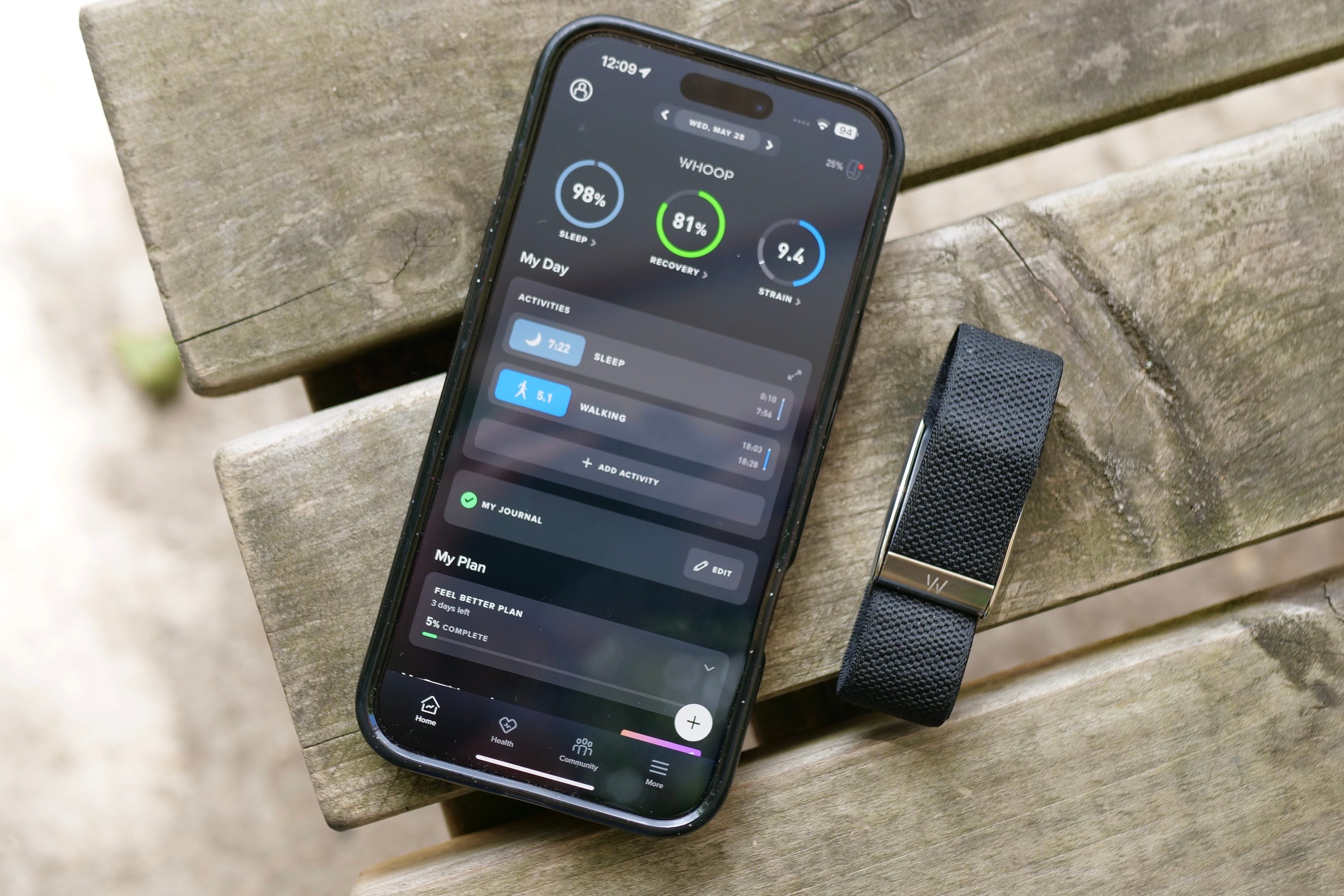
Whoop’s existing subscription, starting at $199 per year (with free hardware), already provides a host of health-tracking features beyond continuous heart rate monitoring, HRV, and sleep stages. Subscribers get daily recovery scores, strain coaching, sleep performance analysis, and monthly health reports with long-term trends.
Google Health Premium, by comparison, costs $99.99 a year and leads with its Gemini-powered Health Coach, which reads your biometric data, medical records, and meal photos, and generates personalized recommendations. The difference in approach is what might make users stick with Whoop.
Instead of relying on an AI drawing inferences based on data, Whoop is offering access to a medical professional who can ask follow-up questions, identify nuances in your health records with experience, and, most importantly, carry professional accountability that comes with a medical license.

For more than five years, Shikhar has consistently simplified developments in the field of consumer tech and presented them…
Apple leak prophesizes a Spatial iPhone with a holographic 3D screen. It’s about time!

Samsung is reportedly building the holographic display, with a tentative 2030 target.


Holograms on your iPhone sound like science fiction. But according to a fresh leak, Apple may actually be working on it. A leaker on X known as “Schrödinger” claims Apple is developing a “Spatial iPhone” with a holographic display, reportedly being built by Samsung.
The display is codenamed “MH1” (Mobile Holographic 1), and the details being floated are quite wild. You should take all of this with appropriate skepticism, though, as none of it is officially confirmed.
The Xperia 1 VIII leak finally gives Sony some swagger
Bold new colors could make Sony’s next flagship feel fresh, if the price doesn’t kill the buzz

Sony’s Xperia phones have rarely looked boring, but they’ve often felt too reserved for their own good. The latest Xperia 1 VIII leak changes that, with official-looking images showing Sony’s next premium phone in shades that actually want attention.

In a crowded high-end Android market, the first impression now has to work harder. Sony’s next phone still needs the usual flagship strengths, but a sharper visual identity gives it a better chance of standing out.

Bumble will end the pain of swipes on dating apps. We don’t know what comes next
Bumble is also dropping its women-first rule, alongside the swipe, as it pivots to an AI-driven experience.

If the never-ending loop of swiping left and right sounds exhausting, Bumble finally agrees with you.
In an interview with Axios, CEO Whitney Wolfe Herd confirmed Bumble is scrapping the swipe entirely, replacing it with something she calls “revolutionary for the category.” She didn’t say what that is exactly, but the change rolls out in select markets starting Q4 2026.


