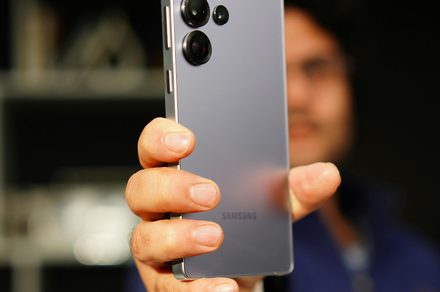
Leaked feature could auto-find and apply coupon codes at checkout.

Samsung might soon make online shopping a little less painful, and a bit cheaper too. A teardown of the latest Samsung Internet build, thanks to Android Authority, reveals a new feature called “Smart shopping”, and it’s exactly what it sounds like.

The browser could soon automatically find and apply coupon codes at checkout, saving users the hassle of hunting for discounts manually. The feature appears to surface available deals, show their validity, and even offer a one-tap option to apply them, making the whole process feel seamless.
How does it actually work?
This is where things get a bit more… interesting. Samsung’s browser would use data like the website you’re visiting, your cart contents, location (via IP), and browsing context to find relevant coupons. The idea is to deliver context-aware discounts in real time, rather than generic coupon suggestions. The folks at Android Authority enabled the settings page for a quick look, though the feature itself wasn’t functional yet. Here’s how it looks:

More importantly, this appears to be an opt-in feature, meaning users can enable or disable it from the browser settings. This feature essentially turns Samsung Internet into a built-in deal assistant, similar to browser extensions like Honey, but without needing extra installs. It’s a small quality-of-life upgrade, but one that could genuinely save users money, especially for frequent online shoppers.
Saving money… but at what cost?
Of course, there’s a catch, because there’s always one. While the idea of automatic coupon hunting sounds great, it relies on the browser accessing your shopping activity, browsing behavior, and contextual data to work effectively. That naturally raises some eyebrows around privacy, even if Samsung says the feature is opt-in and data usage is limited to specific scenarios.
At the end of the day, this isn’t some flashy headline-grabbing feature, but a practical one. And honestly, those are the ones that tend to stick. If Samsung gets the balance right, your browser might soon do more than just load pages. It could quietly save you money in the background.

Varun is an experienced technology journalist and editor with over eight years in consumer tech media. His work spans…
Android is changing the rules for sideloading, but they won’t hinder your phone upgrade

Starting August 2026, Google is tightening the screws on sideloading. If you want to install apps from unverified sources, you will have to go through a new “advanced flow” that feels like a full security drill. This includes enabling developer mode, manually reviewing security warnings, restarting your phone to cut off any shady remote access, and then waiting a mandatory 24-hour cooldown before proceeding. The idea behind this is to slow you down just enough to spot a scam before it sinks its teeth in. Once you have completed the process, you will not have to repeat it every time. It is Google’s way of saying, “Go ahead and sideload, but do it carefully.”
Your next upgrade remains completely unaffected
A new breed of Android flagships is coming and it should make Samsung nervous
Vivo and Oppo are pushing camera tech to levels we haven’t seen before

A new wave of Android flagships is on the horizon, and they’re not playing it safe. The biggest shift is that these phones are going all-in on cameras, while eclipsing the apex Android predators (read: Samsung and Google) in a few other ways, too.
The specifications of the upcoming Vivo X300 Ultra were revealed on Weibo, and the device is confirmed to feature a 200MP periscope telephoto sensor (likely 1/1.4-inch class), paired with a large 1-inch-type primary sensor and an upgraded ultra-wide lens, along with advanced zoom systems and improved color science. That’s pushing smartphone photography closer to dedicated cameras, something Samsung’s Galaxy S26 Ultra, with its largely iterative camera hardware, hasn’t quite matched this year.
Apple is opening Siri to pick AI models, but there’s only one that makes sense to me
Apple might have opened the door for outside AI to power Siri. Here’s why Gemini should walk through it.

Apple promised us a smarter, more capable Siri at WWDC 2024. The pitch was compelling: a Siri that understands your personal context, digs through your messages and emails, performs actions inside your apps, and evolves into a true assistant.
Two years later, that dream still remains a dream. But here’s the thing that might change the course of Apple’s assistant. According to reports, Siri is no longer tied to a single AI brain. Apple is building it to be flexible, capable of routing requests to whichever external model does the job best.