


Felicity Bradstock
Felicity Bradstock is a freelance writer specialising in Energy and Finance. She has a Master’s in International Development from the University of Birmingham, UK.
Set us as your preferred Google source
Premium Content
By Felicity Bradstock – Apr 04, 2026, 10:00 AM CDT
- England will reallocate land to ensure 7% supports nature restoration and renewable energy while maintaining food production.
- The framework promotes multi-use land strategies, sustainable housing near transport hubs, and stronger environmental protections.
- Greater transparency in land ownership and incentives for farmers are central to achieving long-term climate and biodiversity goals.
England has introduced a new Land Use Framework, a 56-page report that has been under development since 2022. The aim of the researchers was to assess the effectiveness of the existing land use in England and develop a more optimal plan based on human and environmental needs, considering the future energy and water outlook and potential risks the country might face, such as increased flooding and other climate challenges.
Under the new framework, roughly 7 percent of England’s land must be devoted to nature, forests, and renewable energy if the United Kingdom hopes to achieve its environmental targets. Changing the country’s land use to meet these needs will still provide a sufficient portion of land for crop growing and housing, according to the government’s first land use framework, published in March.
Ministers have labelled the current use of England’s land as “highly inefficient” and stressed the need for imminent change. The new rules include a “default yes” on housing projects to be developed within walking distance of existing train stations. Developers will be encouraged to include ponds, wetlands, and improved urban drainage schemes in their plans to reduce the risk of flooding.

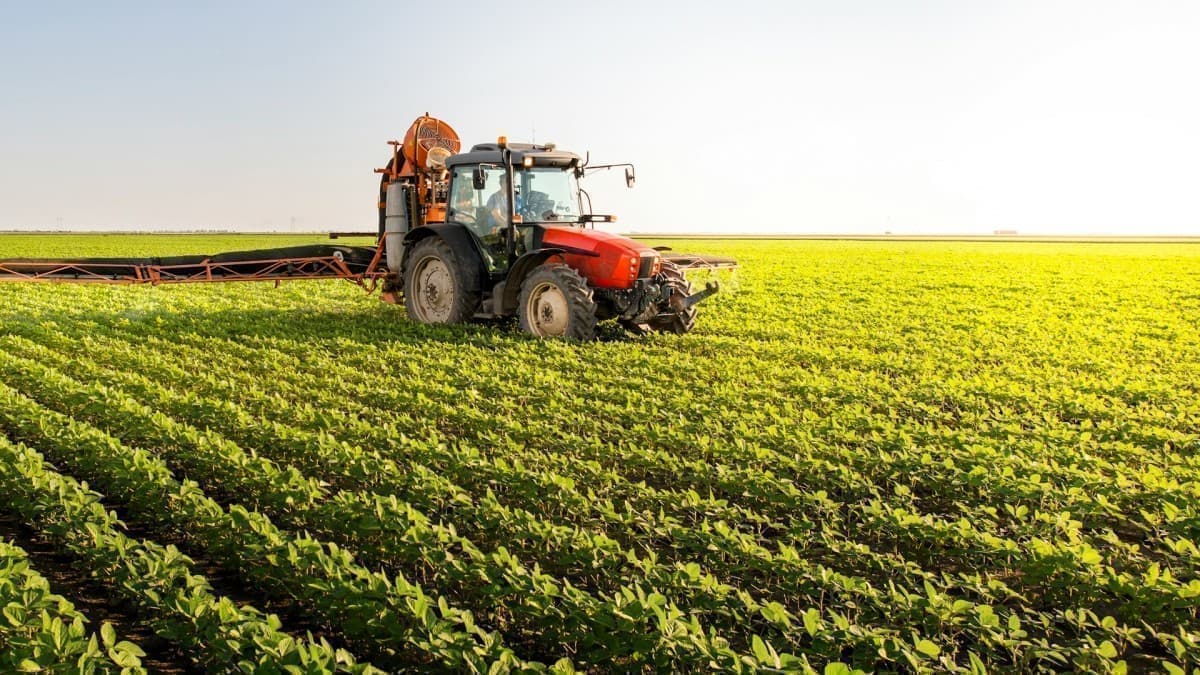
When it comes to agricultural land, farmers will be informed whether their land would be best used for farming or for alternative uses, such as forestry, wetland, or peatland restoration. At present, around 70 percent of the U.K. land is used for agriculture, primarily for livestock. The government will be tasked with providing incentives to encourage (but not force) farmers to switch to the most appropriate land use. Farmers have largely welcomed the framework, but many have called for clear guidance, the right policy framework, and incentives to ensure the plans for land use are achieved.
The U.K. environment minister, Emma Reynolds, stated, “Food security is national security, and this government is making a clear long-term commitment to maintain domestic food production at current levels. Our most productive agricultural land will be safeguarded for food security. This is vital for our country’s resilience in the face of geopolitical events and climate change pressures.”
The plan also states that around 1 percent of England’s land is expected to be required for solar and wind farms and other renewable energy to meet the U.K.’s climate goals by 2050, although this could change depending on the shift in water demand as more data centres are developed. A further 6 percent of England’s land should be used for achieving climate and nature goals, according to the framework. Reynolds said that the new framework would put an end to the idea that England faces “false choices” over “solar panels versus farmland”, or “growth versus environment”.
Some of the main points outlined in the new report include:
- Designating restoring peatland as a high-priority issue
- Encouraging the “multi-use” of land, for example, solar farms alongside livestock grazing
- Encouraging local authorities to put nature reserves in both the countryside and urban areas
- Place tighter regulations on grouse moors
- The framework does not include a new “right to roam”, but there will be a consultation on “making landowner liability more proportionate”, which may open areas for public access.
- A national soil map will be published
- The establishment of a new land use unit is expected
- Government planning for changes to the U.K.’s landscape under global heating of 2 degrees Celsius above preindustrial levels, and of much higher heating of 4 °C.
While the framework focuses exclusively on England, the report states that the government will work closely with the governments of Scotland, Wales, and Northern Ireland to share best practices and “collaborate on cross-border issues”. The creation of a “blueprint” for informed land use was aimed at bringing an end to the “fragmented approach” to tackling issues such as food production and renewable energy capacity development. It is expected to help the U.K. achieve targets related to carbon budgets and national biodiversity and climate plans.
To help implement the changes, the government will lift a paywall from large parts of the Land Registry to make it easier to find out who owns land in England. A small number of landowners control most of England’s land; however, finding out who owns what is difficult under current Land Registry rules. Making access to this information free is expected to make it easier to plan for sustainable development.
“The bold promise to open up the Land Registry would finally bring to an end a thousand years of secrecy shrouding who owns England, and enable greater scrutiny of what goes on behind the barbed-wire fences that crisscross the countryside,” explained Guy Shrubsole, the author of Who Owns England? “Given that 1 percent of the population owns half of England, it’s only reasonable that the largest landowners should be held most responsible for restoring nature to these dewilded isles.”
By Felicity Bradstock for Oilprice.com
More Top Reads From Oilprice.com
- Chevron Reports “Extensive Damage” at Major LNG Project
- Traders Ramp Up Bearish Oil Bets To Nearly $1 Billion
- China Resells Record LNG Volumes as Global Gas Crunch Bites
Download The Free Oilprice App Today


Felicity Bradstock
Felicity Bradstock is a freelance writer specialising in Energy and Finance. She has a Master’s in International Development from the University of Birmingham, UK.

