
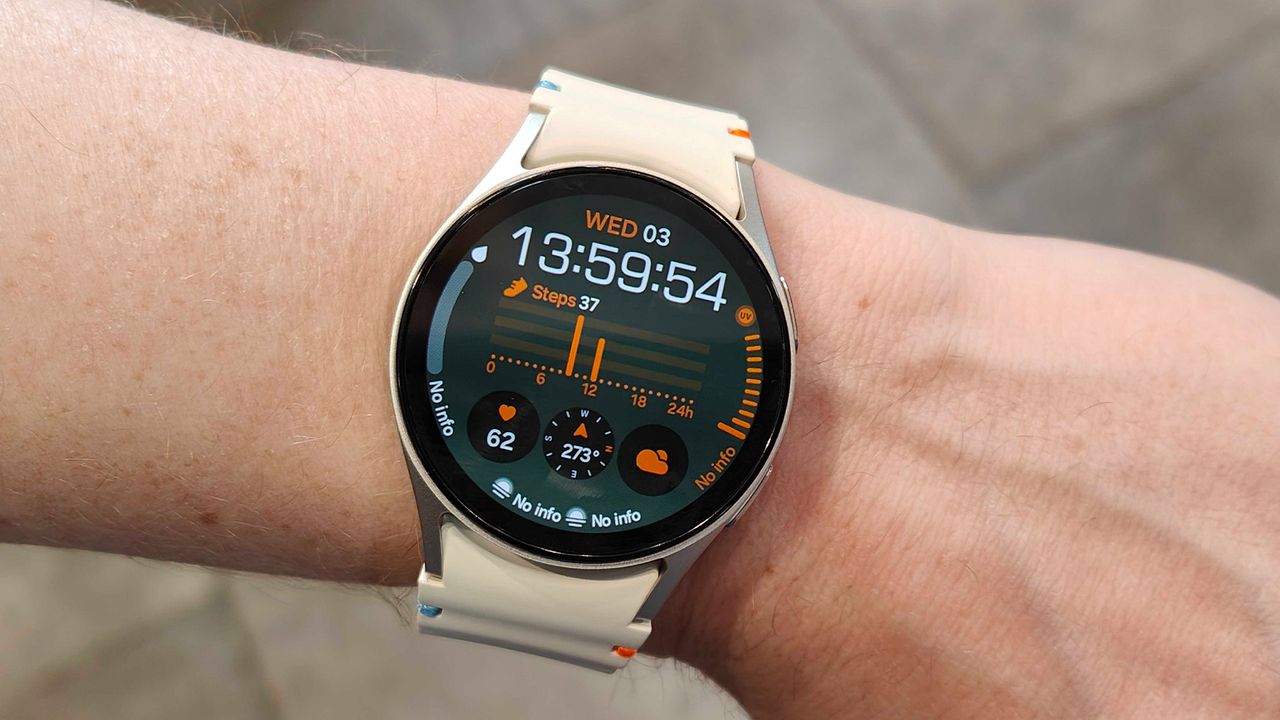
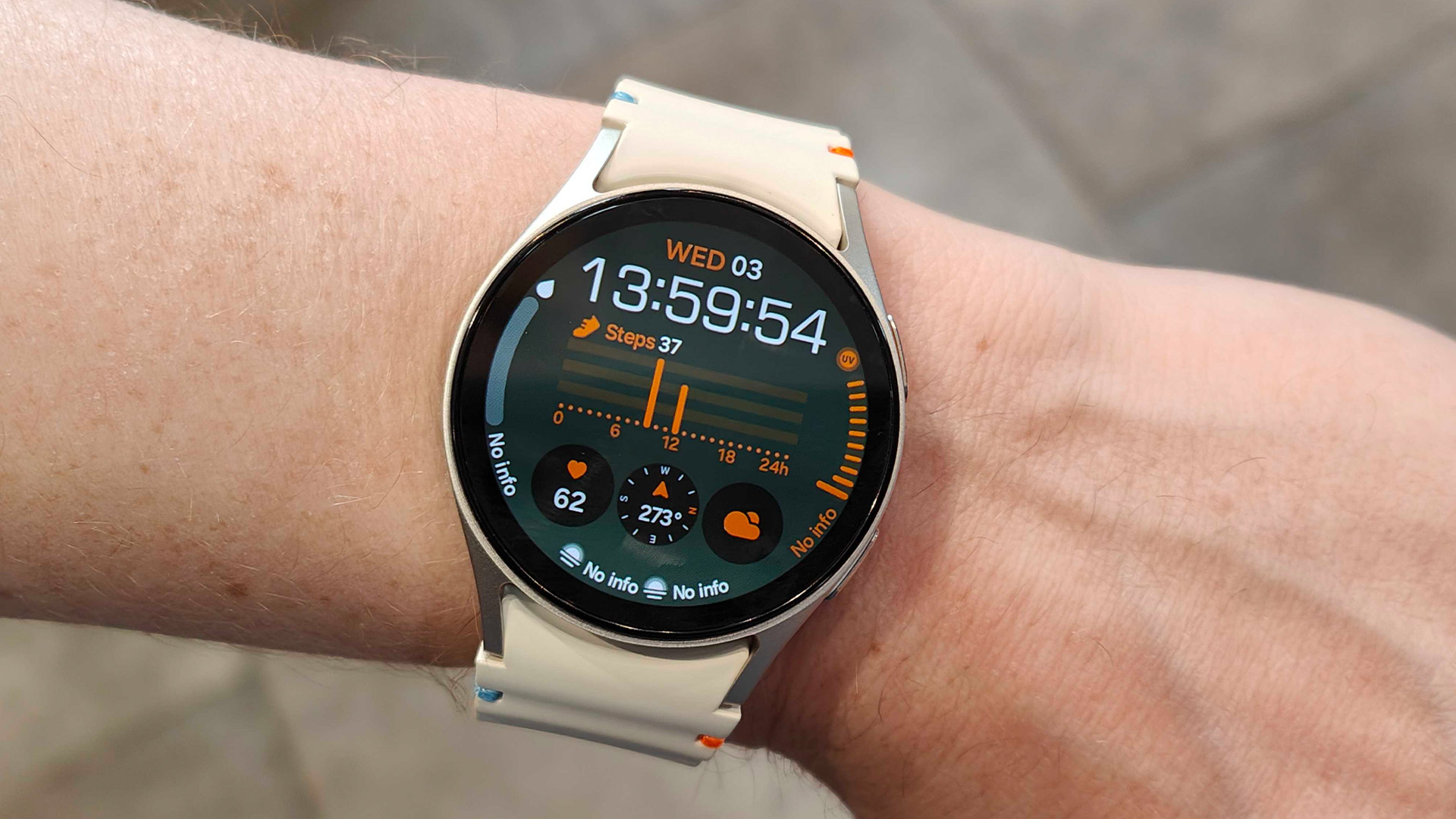
- New research suggests smartwatches could predict fainting episodes
- This would give you time to minimize the danger of a fall
- The research was commissioned by Samsung
Most of the time, fainting episodes come out of the blue, leaving a split second for someone to support you before you start hurtling towards the ground. But what if your smartwatch could alert you to the likelihood that a faint is imminent before it actually happens? It sounds like something out of science fiction, but it could one day come to fruition.
That’s the idea behind a clinical research paper commissioned by Samsung, which concludes that it might be possible for a wearable device to warn you that you’re at risk of fainting minutes before it happens. That would potentially give you time to get to a more comfortable place — such as on a sofa — so that the sudden loss of consciousness doesn’t send you crashing onto the hard floor.
In the study, researchers from Chung-Ang University Gwangmyeong Hospital in South Korea said that Samsung’s Galaxy Watch 6 might be able to predict vasovagal syncope (a condition that can lead to fainting) as much as five minutes before it occurs.
Why the Galaxy Watch 6? Well, it has a photoplethysmography (PPG) sensor that tracks your heart rate. The researchers used this to monitor test subjects’ heart rate variability, then fed the resulting data into an artificial intelligence (AI) algorithm. This, in turn, looked for patterns that emerged just before people fainted.
From this, the researchers were able to predict fainting episodes with an accuracy of 84.6%. Samsung stated that the AI model had a clinical sensitivity of 90%, meaning it was able to identify true positives and negatives with a high degree of accuracy.
Not here yet
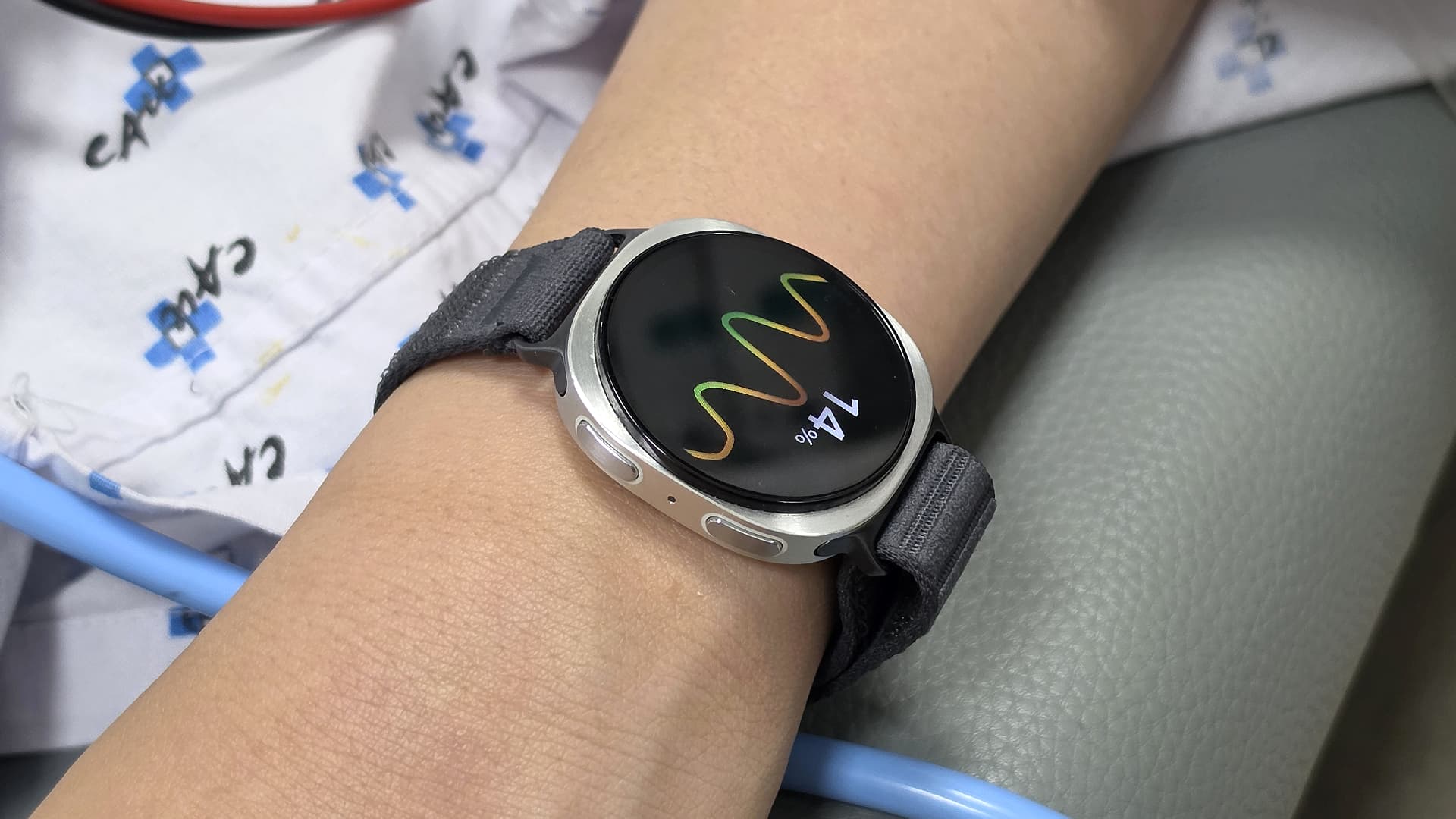
Vasovagal syncope is a common condition. Indeed, “Up to 40% of people experience vasovagal syncope over their lifetime, with one-third experiencing recurrent episodes,” said Professor Junhwan Cho of the Department of Cardiology at Chung-Ang University Gwangmyeong Hospital. If a smartwatch is able to help you minimize the danger of a fall resulting from this condition, that could be a massive benefit to a lot of people.

Indeed, as Professor Cho noted, “An early warning could give patients advance time to get into a safe position or call for help, which would dramatically reduce the incidence of secondary injuries.”

While the results from this study are promising, it’s worth noting that this faint prediction feature is not yet available in any of the best Samsung smartwatches. Instead, it was more of a proof of concept for the idea that a wearable can predict a fainting episode ahead of time.
But with the PPG sensor already on board many of Samsung’s smartwatches, it’s not much of a stretch to imagine a feature like this appearing in a future version of the company’s devices. Many of the best smartwatches on the market — including the Apple Watch Ultra 3 and the Garmin Fenix 8 — also feature PPG sensors, meaning this feature could theoretically emerge in a smattering of other devices in the future.
That said, further clinical testing and regulatory approval will be needed before any of that becomes a reality. When — or if — it does, though, it could save you from a nasty fall with plenty of time to spare.



Follow TechRadar on Google News and add us as a preferred source to get our expert news, reviews, and opinion in your feeds.


