
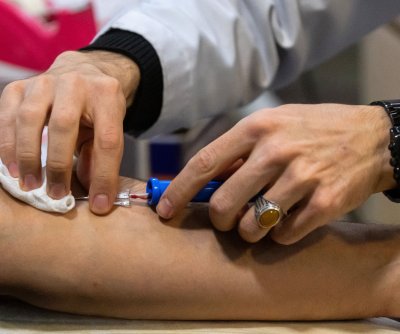
Polycystic ovary syndrome was renamed polyendocrine metabolic ovarian syndrome Tuesday by patients and medical organizations. File Photo by UPI | License Photo
May 12 (UPI) — Polycystic ovary syndrome, known to more than 170 million women suffering from the condition worldwide, was renamed polyendocrine metabolic ovarian syndrome Tuesday by patients and medical organizations.
PMOS causes fluctuations in hormones, with impacts on weight, metabolic and mental health, skin and the reproductive system.
“For too long, the name reduced a complex, long-term hormonal or endocrine disorder to a misunderstanding about ‘cysts’ and a focus on ovaries. This contributed to missed diagnoses and inadequate treatment,” a press release from the Endocrine Society said.

Professor Helena Teede, director of Monash University’s Monash Centre for Health Research & Implementation and an endocrinologist at Monash Health in Melbourne, Australia, led the name change process after spending decades researching the condition and seeing the patient impacts firsthand, the release said.

“What we now know is that there is actually no increase in abnormal cysts on the ovary, and the diverse features of the condition were often unappreciated,” Teede said in a statement. “It was heart-breaking to see the delayed diagnosis, limited awareness and inadequate care afforded those affected by this neglected condition.

“While international guidelines have advanced awareness and care, a name change was the next critical step towards recognition and improvement in the long-term impacts of this condition.”
While the name change was published Tuesday in The Lancet, it took 14 years of collaboration between those who live with the condition and experts.

Teede led the name change process with Professor Terhi Piltonen, president of the International Androgen Excess and Polycystic Ovary Syndrome Society from Oulu University and Oulu University Hospital, Finland, and AE-PCOS Society Executive Director Anuja Dokras from the United States and Chair of Verity Rachel Morman. There were 56 other patient and professional organizations involved.

“It was essential that the new name was scientifically correct but also considered across diverse cultural contexts to avoid certain reproductive terms that could heighten stigma and be harmful for women in some countries,” Piltonen said in a statement. “This made a culturally and internationally informed consultation critical to getting it right.”


