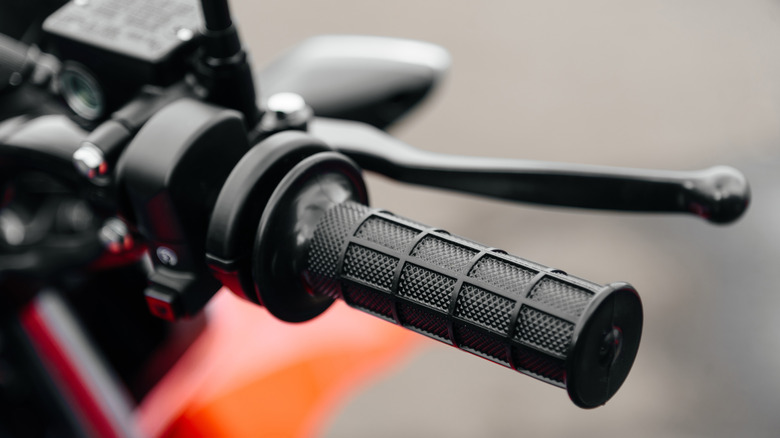
Anton Pentegov/Getty Images
When you hit the brakes on your motorcycle, do you do so using the 70/30 rule? It’s a guideline that helps you know how much stopping power should be distributed between your motorcycle’s front and rear brakes. Under normal riding conditions, roughly 70% of your braking force should come from the front brake while the remaining 30% should come from the rear. Otherwise, you might just lose control of the bike.
As a rider puts on the brakes, the motorcycle’s weight naturally shifts forward. That increases the load and available traction on the front tire while reducing the load on the rear. But because the front tire gains more grip during deceleration, it’s able to generate much more stopping force than the rear tire. To account for all this, the best thing is to use both brakes rather than relying on one alone. That’s where the 70/30 rule comes from. Using the front brakes alone can upset the chassis, giving you less stability and making the motorcycle harder to control. Proper rear-brake use helps stabilize the motorcycle and keeps the chassis balanced.
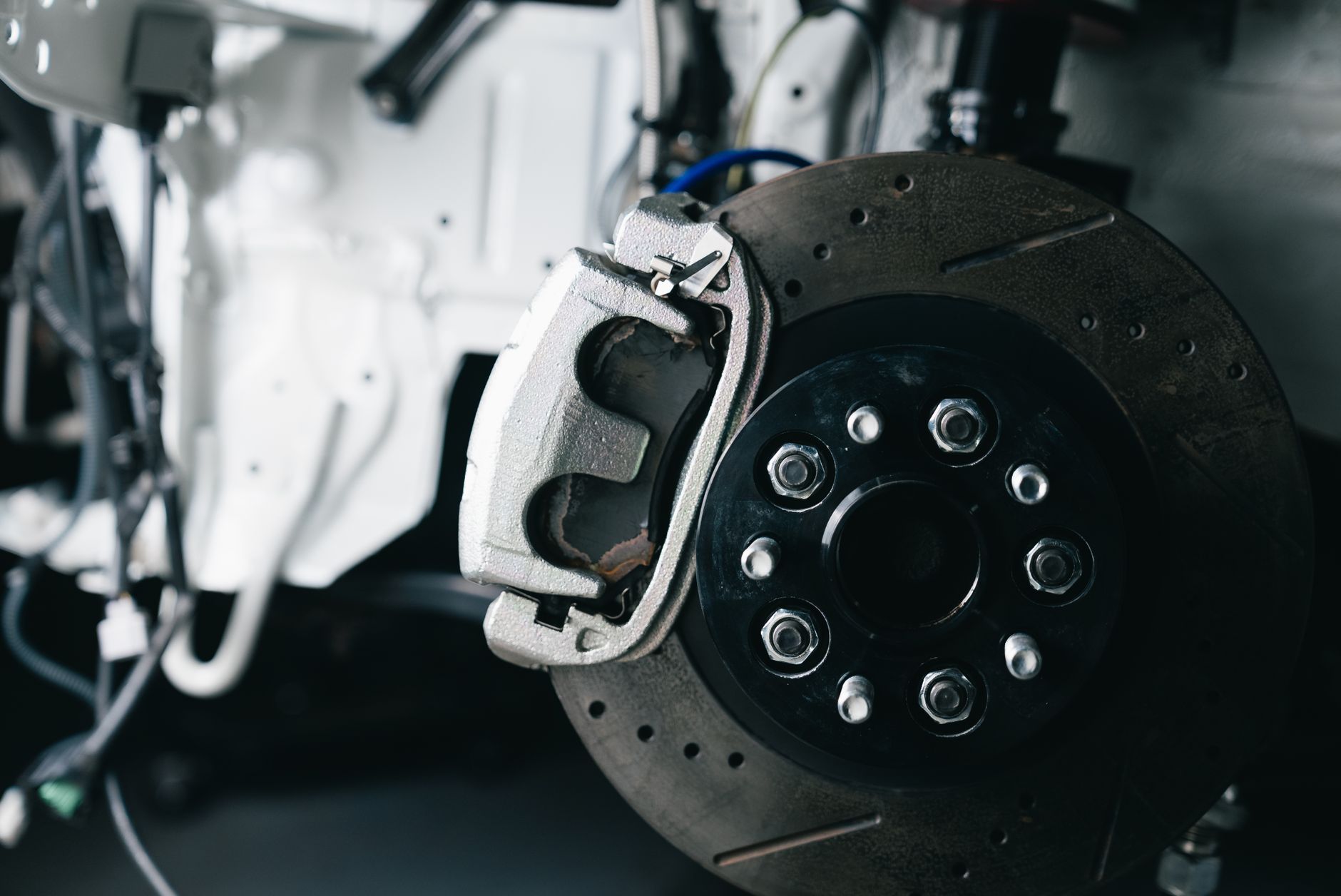
Applying your brakes properly is all about feel. The bike isn’t designed to apply exactly 70% or 30% — you control manually that by how much pressure you apply to the brakes. It’s a good idea to practice braking in non-traffic situations to learn how your bike is going to react to various amounts of pressure.

Exceptions to the 70/30 rule

K-FK/Shutterstock

While 70/30 is the standard for normal riding conditions, that ratio can change depending on your circumstances. During emergency stops, for example, your braking force may need to be even more front-focused. Some guidance suggests as much as 90% of stopping power coming from the front brake and only 10% from the rear. Even then, riders probably shouldn’t use 100% of both brakes simultaneously and risk losing control. Anti-lock braking systems can only do so much. Other factors like wet pavement, dirty roads, worn tires, passengers on back, and bad brakes can also affect how much you stick to the 70/30 guideline.
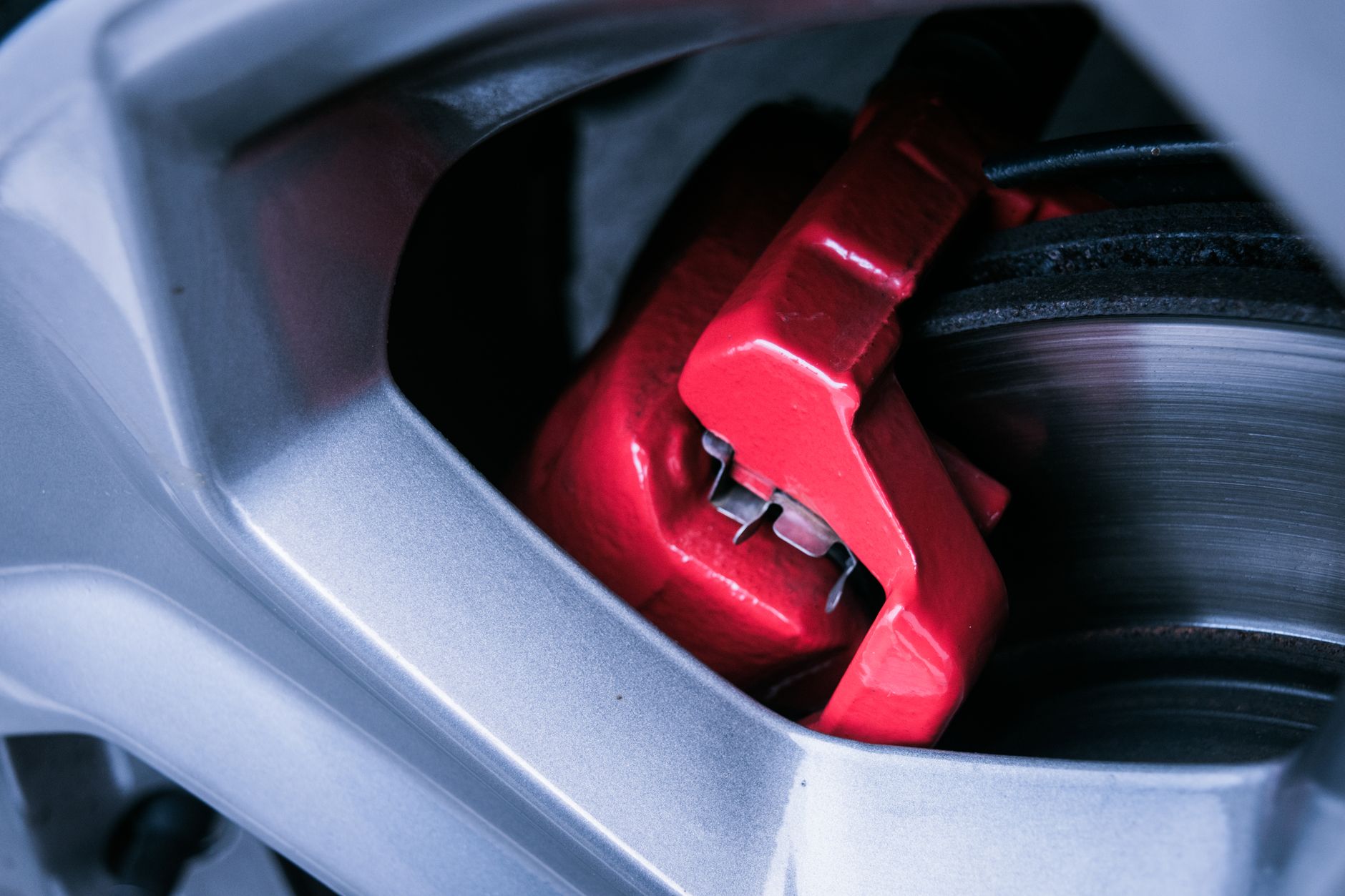
Basically, the 70/30 rule should be treated as a training guideline rather than an absolute rule you have to stick to every time. Each rider’s motorcycle has its own unique characteristics, and braking performance will ultimately depend on more than just a braking ratio. The front brake is nothing to fear, but it should always be balanced out in some capacity with the back brakes.