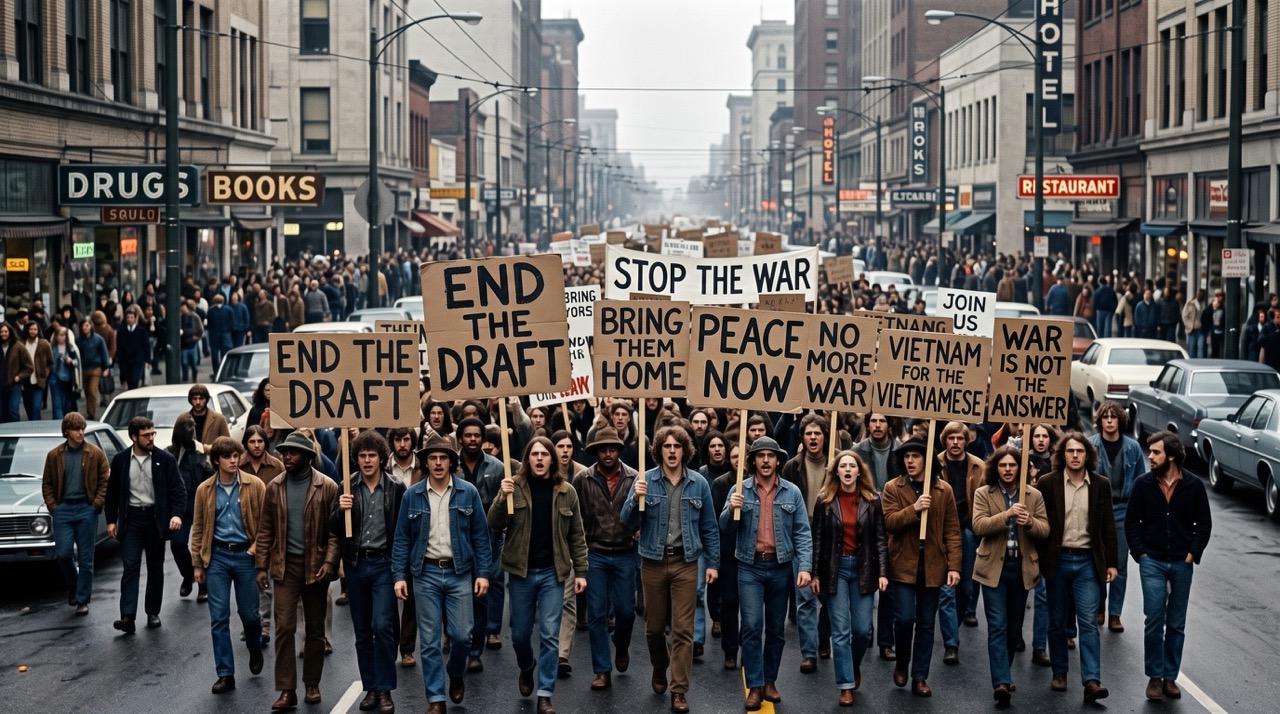
Nixon didn’t end the draft to save your life — he did it to keep the war going. Know how you got to where you are before you vote.
In 1973, President Richard Nixon faced a crisis: he couldn’t get enough soldiers for Vietnam. Most didn’t think it was a moral war, and the “domino theory” justification felt like a false narrative — an extreme embellishment of the threat. A lot of Boomer-era kids didn’t care if Vietnam went communist, and many headed to Canada for a life of peace. Many people thought we were fighting on the wrong side. We should have been fighting for Vietnam’s independence from the French rather than the puppet government installed.
I think, if the truth be known, Ho Chi Minh actually talked to the United States asking for help to free his country from the French. Like so many foreign policy blunders, we probably blew it there. Facing recruiting failures and massive protests, Nixon decided to change the military from a voluntary draft system to a professional one.
Regulation I — From Citizen Soldier to Professional Military
Upon his election Nixon appointed and was advised by the Gates Commission:
In 1969–1970 Nixon appointed the Gates Commission (Head Honcho) Thomas Gates, who advised Nixon a professional, all-volunteer military was possible and sustainable if military pay and benefits were significantly increased. Doing this required the military to compete with the civilian job market.
Nixon did this anyway, even in a high-inflation environment, meaning Uncle Sam now had to compete with the labor market. Sure, the cost to taxpayers has been huge, but the longer-term costs and the results can be even worse.
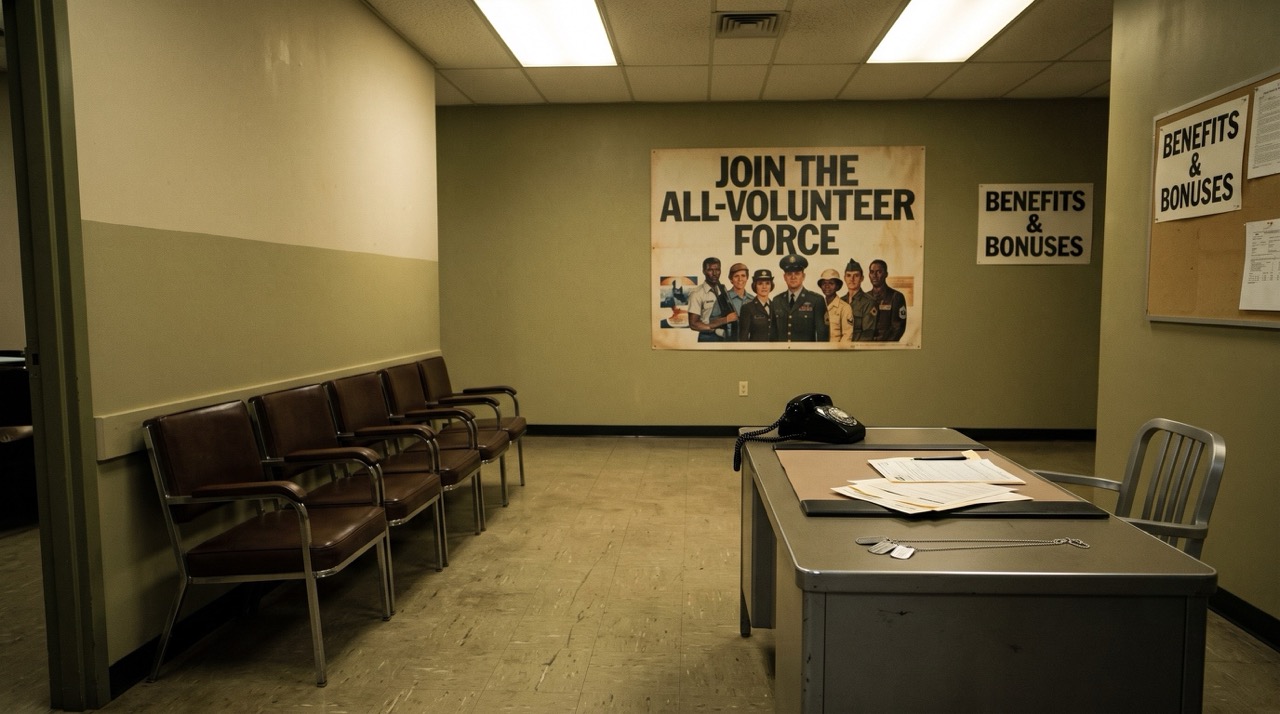
When you pay people enough to fight, you will always have wars. Protests stopped because they weren’t “drafting” guys anymore; they were paying them. They also stopped the news from broadcasting the parade of caskets coming home and the horrors of war actually being broadcast in our living rooms with nightly news.
In 1973, Richard Nixon didn’t just end the draft — he turned the American military into a business. Most people think the “All-Volunteer Force” was about freedom. I think, if the truth be known, it was actually a pivot to silence the streets and hide the “parade of caskets” from the evening news. By making war “professional,” they made it invisible to the average citizen.
When you pay people enough to fight, you ensure that wars never have to end. But there’s a darker side: a professional military class can start acting as a “state within a state.” We’ve already seen cases where the military launched missions without even telling the Commander-in-Chief.
A Military That Can Act Alone
The danger of a professional military is real. In a recent military adventure with Iran, a pilot was rescued on Iranian soil, but they did not tell the President before launching the mission. My understanding is they didn’t trust Trump with the information. That kind of “dance” is dangerous.
Libertarians aren’t fond of professional militias for this reason: you have to keep an eye on them just as much as you do fascist political parties or private wealth. We have seen that often enough over time in what we call third world countries. If you think that cannot happen here, think again — and the chances could be greater now than ever before. It would be dangerous if the military is acting as a “state within a state” without the Commander-in-Chief.
Perhaps we should return to a volunteer militia with a draft for all able-bodied citizens for a one- or two-year stint helping the government, similar to Israel. This should be decided by “We the People” to prevent a professional military from ever taking over the government. As JFK said, “Ask not what your country can do for you. Ask what you can do for your country.” To be sure that would require much more citizen participation. I’m not sure the bulk of the crowd we inhabit the continent with would favor this. I can hear the kids now: “You want me to devote two years to a country where I cannot even save enough to buy a home or afford health insurance.” Really?
If you think a military takeover “can’t happen here,” you haven’t been paying attention to how the monopolies of power — and the media — actually work. Or what some of your representatives have already said.
Is it time to bring back the Citizen Soldier?
The Five Fundamentals of Government
The war profiteers cannot help themselves and have reached the point they want to cut off all social welfare (including what they call entitlement programs) so they can continue to war with the defense budget heading towards a trillion dollars. The replenishment of war materials the hawks are talking about will move the budget to $1.5 trillion — all with no tax increases. The defense contractors now have carte blanche, no audits in sight. Seems this was the goal of the core right-wing conservatives ever since the New Deal.
The Federal Government is exclusively for the defense of the country — or so this ideology goes. That completely ignores the basic fundamentals of a government’s purpose:
- Feed ’em (Subsistence): The baseline of survival. Without caloric energy, no other pillar can exist.
- Defend ’em (Security): Protection from external threats and internal chaos. This provides the “peace” required to plan for tomorrow.
- Educate ’em (Growth): The transfer of knowledge. This ensures the village doesn’t die with the current generation.
- Heal ’em (Maintenance): Managing injury, disease, and mental well-being. This ensures that a simple infection doesn’t become a village-wide catastrophe.
- Care for the Aged (Legacy): Honoring the “social contract.” When the young see the old cared for, they feel secure in their own future within the group.
This war is going to take food off the tables of citizens — hopefully they will pay attention more. It is very disturbing so many people did not know who they were voting for, but it’s not new. The two candidates told us 100% who they were, and if we did not see it there, we should have seen it from history. The people who are surprised are the people who don’t pay attention to history and really don’t know the candidates’ true ideology. They vote on personality, talking points, and purely tribal every four years.
Oh my gosh! Y’all thought immigration was our problem and not bankruptcy. For those who had the harebrained idea Trump would make things more affordable — go back to economics class. We live in a rather raw capitalist economy.
Let’s get through the midterms without a coup and hopefully move on to better times. One can never see the good times when times are bad and never see the bad times when times are good. One might think some very bad times are on the horizon — the best reason being the huge bubble they have created in stocks, bonds, and real estate. If every time the economy peels back a bit you debase our currency, lower interest rates, and print more money to get reelected, you create unsustainable bubbles. The gravity of economics is what goes up must come down.

Regulation II — Extreme Consolidation of the Media
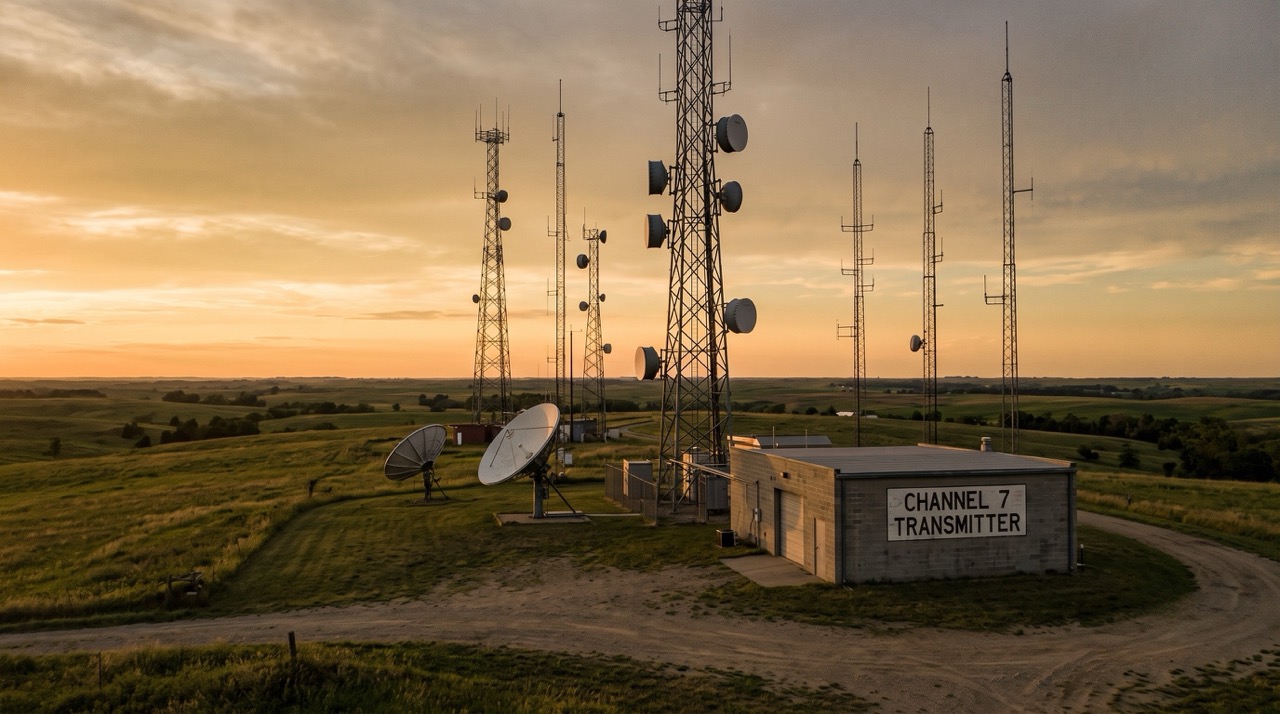
Consolidation of the media is not healthy for a democratic republic. We will be writing more about this; for now the current ownership percentages are below.

| Company | Percentage of Households | Best Guess # of Stations |
|---|---|---|
| Nexstar Media Group | ~80% | 265+ |
| Sinclair Broadcast Group | ~40% | 185+ |
| Gray Television | ~36% | 113 markets |
| E.W. Scripps | ~30% | 61 |
The FCC is supposed to enforce a National Audience Reach Cap, which generally prevents a single company from owning stations that reach more than 39% of U.S. households (though a loophole called the “UHF Discount” sometimes lets companies technically exceed this number in practice).
Seems they are all real close or actually over the 39%. My question is: why would we want any media company to reach even 39%? Would we really think this would be enforced under the current administration or any GOP administration? I think we should break them down more — perhaps down to under 20%. The TV, internet, and phone are merging together: one for all, all for one.
He who controls the media controls the information and mindset. This is especially true in a country where people don’t want to read. So the basic rule is: don’t let anyone control the media by market share. That would include the government. They cannot control the media either. Certainly a media giant should not be able to pay the President a $200 million bribe to allow a merger. You may be in love with your local news and its broadcasters, but they often are not the people you think they are.
Free speech does not mean you get to monopolize the media. I think all constitutional rights have exceptions. Rights should not be absolute and can be limited if the restriction is proportionate to the need to protect others’ safety and/or liberty.
Further Reading
- The Top 7 Oligarchs Controlling Online News
- Media Monopolies: A Threat to American Democracy (AFL-CIO)
- Growing Media Consolidation Must Be Examined to Preserve Our Democracy
- The Debate over the Change in Media Ownership
- The Media Monopoly: An Overview
- Poynter Institute — Media Ownership Archive
Stay tuned: Over the next 90 days we’ll cover the rest of the rule changes that created our current quandary. The following 90 days we’ll look at the candidates running for office who perpetuate these trends toward bankruptcy. Follow all Op-Eds →
What’s Next in This Series
Rule and regulation changes that have led to our current U.S.A. quandary:
- Change from a voluntary (draft) to a professional military
- Extreme consolidation of the media
Yet to come:
- The Repeal of the Fairness Doctrine (1987)
- Citizens United v. FEC (2010)
- The “Hollowed Out” Tax Code (post-1980s)
- The Permanent Apportionment Act of 1929
- The Repeal of Glass-Steagall (Gramm-Leach-Bliley Act, 1999)
- The 1970s Shift in “Fiduciary Duty”
- The “Revolving Door” (Lobbying Disclosure Act of 1995)
These changes fundamentally altered the “social contract” and how information — the lifeblood of democracy — circulates.