

A New York high school senior was suspended on her first day of classes after bringing a cup of coffee to school and refusing to throw it away. This dispute has now prompted the district to revisit how it introduced the new rule.
New York student suspended for bringing coffee to first day of class
Julie Kaputa, a senior and honours student at Beaver River Central School in Castorland, New York, received an in-school suspension on 3 September after arriving in class with a cup of coffee.
The incident centred on a new addition to the school’s code of conduct prohibiting students from bringing outside food and drinks onto school premises.
According to Kaputa, she walked into her first-period classroom with the coffee when her teacher gave her three options: discard it, consume it immediately or report to the office.
“I walked in, I had my coffee with me,” Kaputa told local broadcaster WWNY. She said the teacher told her she would need to “dump that out or consume it on the spot, or go down to the office”. It’s clear Kaputa chose which option.
What followed was not simply a disagreement over a drink. The student said she was concerned about how the new policy had been adopted and whether the required process had been followed before it came into effect.
Kaputa challenged how rule was introduced
The outside food and drink restriction was a new provision in Beaver River Central School’s code of conduct for the current academic year. Kaputa and her mother, MaryAnne, argued that the district had not properly notified the public of a hearing at which the policy was discussed.
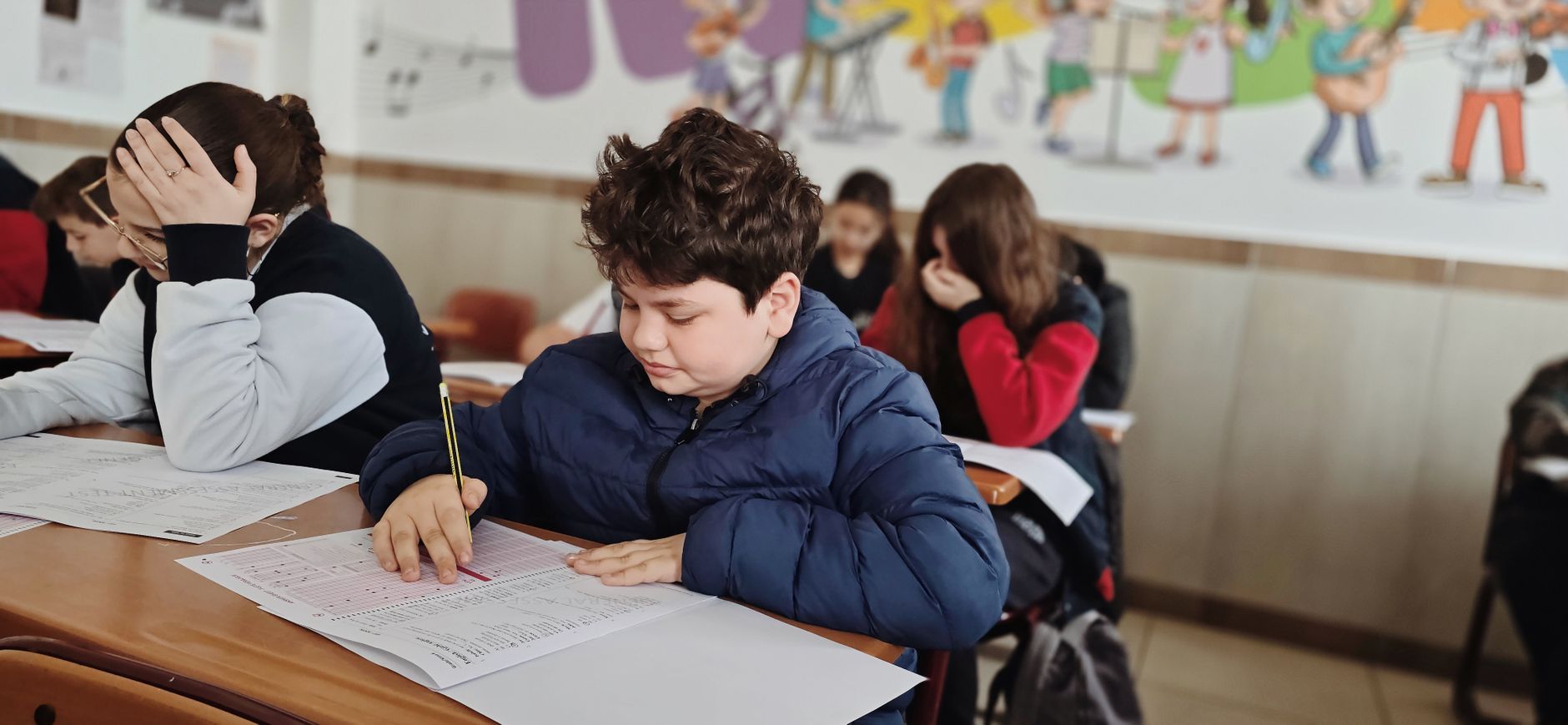
Kaputa said transparency in government was important to her and that the absence of what she understood to be a properly announced public hearing prompted her to challenge the rule.
Her mother similarly questioned when the required hearing had taken place, saying the family searched for an announcement but could not find one.
MaryAnne later said her daughter was aware of the new rule but deliberately refused the instruction as a form of protest. She described her daughter’s decision as an act of civil disobedience and said the teenager, who serves as student body president, believed she had support from other students over the issue.

The dispute has since moved beyond Kaputa’s suspension.

Beaver River Central School superintendent Todd Green said an August monthly board meeting had been intended to serve as the public hearing required as part of the district’s annual review process. However, he acknowledged that the meeting’s advance notice did not explicitly identify it as a “Public Hearing”, meaning members of the public may not have understood that they had an opportunity to speak about the code of conduct.
“Because we hold ourselves to the highest standard of compliance, we are correcting this administrative detail,” Green said in a statement issued on 10 September.
Green also praised the student for challenging the process.
“It’s good to see students standing up for what they believe in,” he told WWNY, adding that the district was trying to follow open-meeting laws and would make changes when problems were identified.
New public hearing scheduled
A new public hearing is scheduled for 14 September, giving students, parents and other community members an opportunity to address the controversial policy.

The incident has also drawn attention because the punishment was tied to a relatively ordinary item: a cup of coffee brought from outside the school.

Kaputa has said the suspension will not appear on her permanent record. She also told WWNY that she was not angry with the district and that her main concern was seeing the system operate as intended.
The school eventually allowed her to return to class with her coffee, according to her mother.
The previous year’s policy reportedly restricted food deliveries unless they had been approved or ordered by staff, but did not prohibit students from bringing their own food and drinks. The new provision, therefore, represented a significant change for students arriving at school with outside food or beverages.

The controversy has led to petitions circulating locally, with some students, staff and parents reportedly questioning whether the new rule is unnecessarily restrictive and how practical it will be to enforce.
About the Author
Trisha Bhattacharya
Trisha Bhattacharya is a Senior Content Producer at Livemint, with over two years of experience covering entertainment news from India and beyond. She spends her days tracking what’s trending, breaking down pop culture moments, and turning fast-moving entertainment stories into sharp, engaging reads that actually make people want to click — and stay.
She holds a Master’s degree in English Literature from Lucknow University, a background that shapes her love for layered narratives, strong voices, and stories that linger long after they’re told. Before joining Livemint, Trisha worked with India Today as an entertainment journalist and film critic. There, she reviewed films, covered industry news, and built a strong foundation in storytelling and cultural analysis.
Trisha enjoys working at the intersection of media, culture, and audience interest, always looking for fresh angles and formats. Films, shows, and music are not just her beat but her biggest passion — something that naturally reflects in her writing. Whether it’s cinema, streaming shows, music, or internet trends, she approaches every story with curiosity and intent.
Outside the job description, she’s unapologetically passionate about films, shows, and music — sometimes a little too passionate, if you ask her. That enthusiasm often spills into her work, adding personality, urgency, and a touch of chaos that keeps her writing alive. For Trisha, entertainment isn’t just a beat — it’s a language she speaks fluently.


