- Porsche and Cylib produced a battery cell whose cathode is made entirely from recycled lithium, nickel, cobalt, and manganese
- Since May 2026, Porsche’s end-of-life high-voltage batteries from German Porsche Centers go through Cylib’s water-based recycling process
- The EU requires a digital battery passport for batteries above 2 kilowatt-hours starting February 18, 2027
Porsche has just built something it had never produced before, a battery cell with cathode material made entirely from recycled lithium, nickel, cobalt and manganese. Not a blend or a percentage. All of it recovered.
The cells came out of a pilot line run with Cylib, a German recycling specialist, and they’re now going through extensive operational testing. Porsche calls it a technological milestone, and that lines up with how important recycled content is becoming for its battery plans.

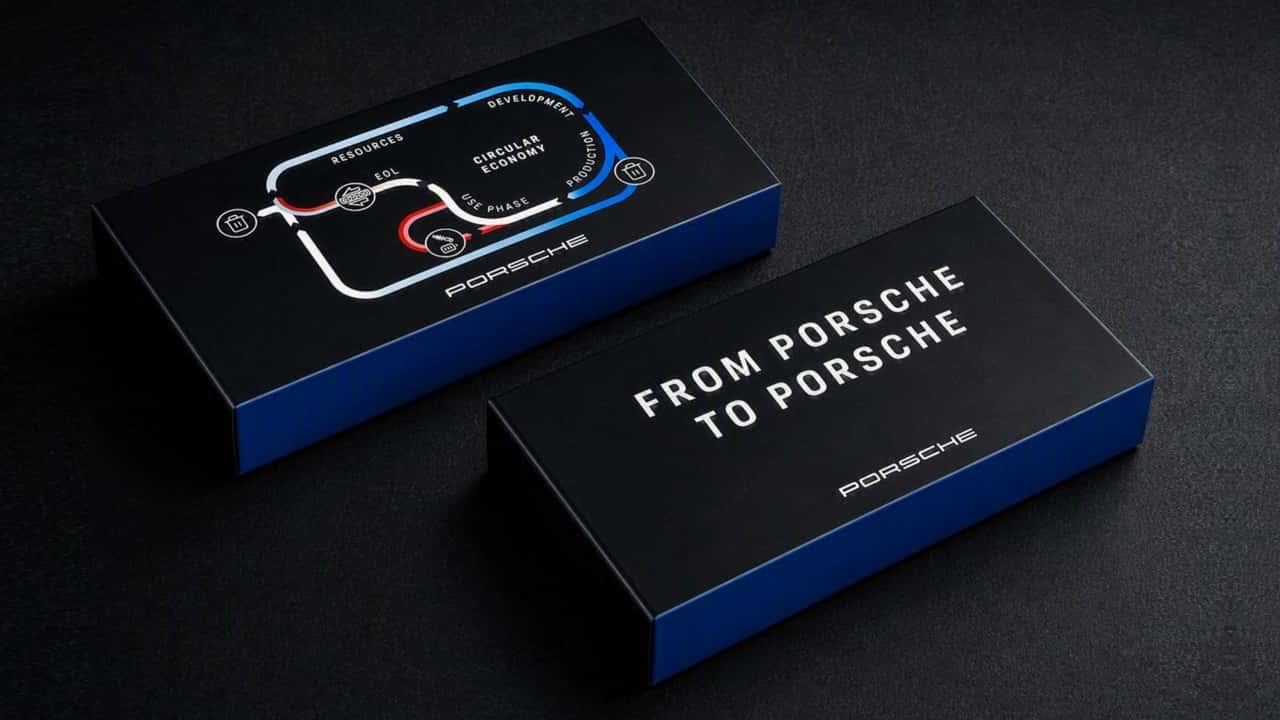
Porsche, Cylib milestone in battery recycling infographic
Photo by: Porsche
Porsche And Cylib Close The Battery Loop
The pilot project for high-voltage battery recycling launched in 2025, and it’s already moved past the lab-experiment stage. Since May 2026, end-of-life high-voltage batteries pulled from Porsche Centers across Germany have gone through Cylib’s water-based recycling process rather than sitting in storage or getting shipped off for basic material recovery.
“With battery cells made entirely from recycled raw materials such as lithium and cobalt, we have achieved an important technological milestone,” said Joachim Scharnagl, Porsche’s Executive Board member for procurement. Every gram of recovered material moves through what the company calls a dedicated material account, a tracking system that keeps recycled lithium, nickel, cobalt and manganese separate and accounted for.
Cylib shredded battery material
Photo by: Porsche
Cylib’s co-CEO Dr. Lilian Schwich framed the partnership’s role bluntly, “Cylib closes the battery recycling loop, from end-of-life batteries to recovered raw materials.” That is the harder engineering problem here. It is not just extracting metals but getting them clean enough to go straight back into cathode production.

Porsche says the recovered raw materials will support new battery cell production from 2028. That gives the automaker two more years to validate the process at scale before it touches a production vehicle. The same push toward electrified performance shows up in Porsche’s electric Cayman development program and its work on an electric sports car platform built to support gas engines.
Why Regulators Are Watching This Closely
Porsche’s timing isn’t accidental. The European Union’s Battery Regulation already sets minimum recovery rates for cobalt, copper, lead, nickel and lithium. A Joint Research Centre assessment published this month found those targets do not need updating because they already strike a balance between flexibility for industry and strong material recovery.

Cylib end-of-life high-voltage batteries processing
Photo by: Porsche
The bigger regulatory shift lands on February 18, 2027, when every electric vehicle battery, light-means-of-transport battery and industrial battery above 2 kilowatt-hours placed on the EU market or put into service must carry a digital battery passport. That electronic record, built around roughly 71 standardized data points, has to document chemistry, lifecycle status and the share of recycled content put into a battery pack.
For everyday Porsche owners and fleet operators, none of this changes how a battery gets handled today. What it signals is a manufacturer building the traceability and recovery pipeline well before the law applies.

Motor1’s Take: Porsche’s pilot gives it a head start on EU compliance and on cutting reliance on mined materials. If it scales, suppliers and fleets could see lower supply risk. The real test is long-term cell reliability and production yield.
More From Porsche:

Source:
Porsche
We want your opinion!

What would you like to see on Motor1.com?
– The Motor1.com Team