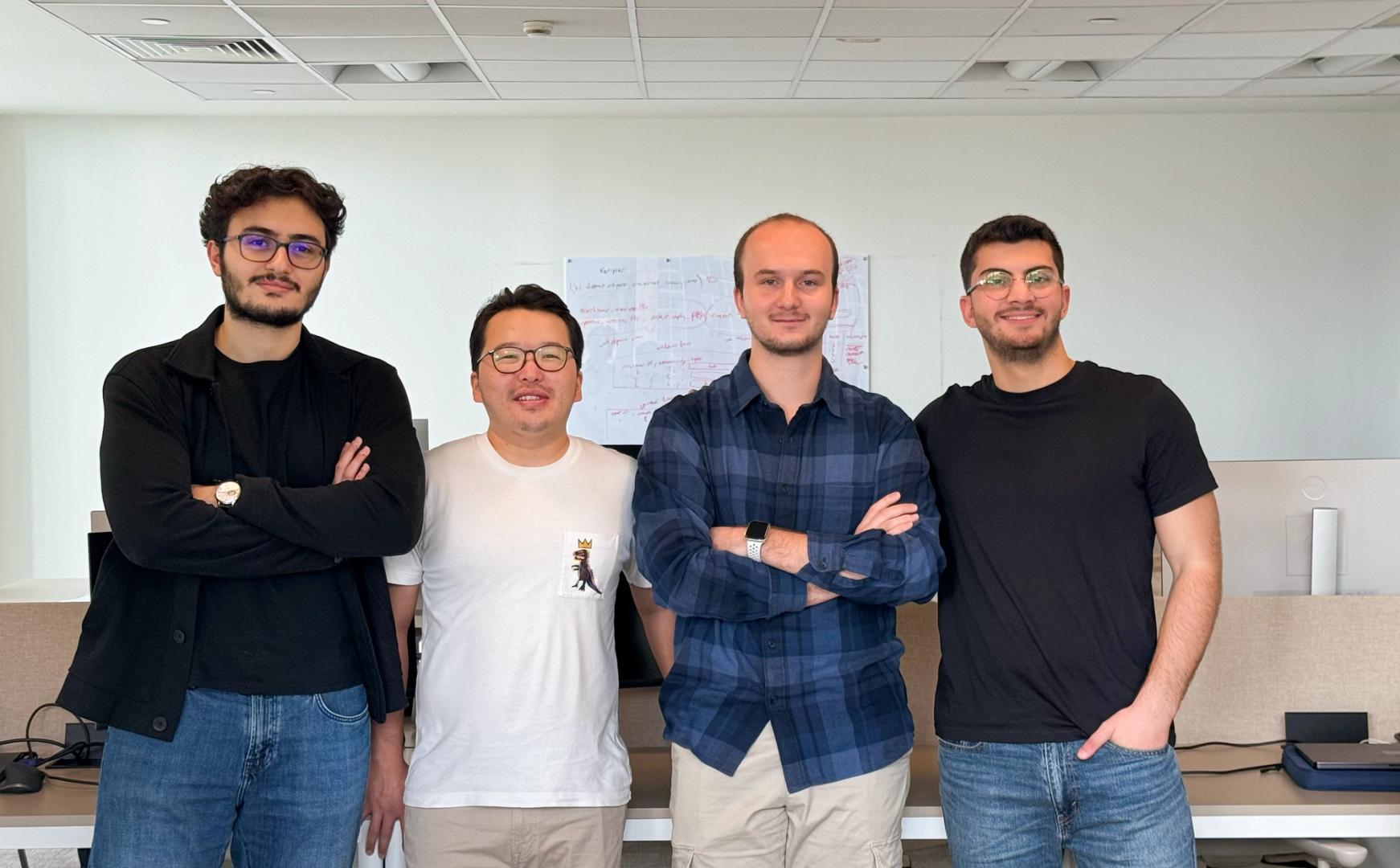
Founders Fund and Galaxy-backed Citrea is aiming to unlock Bitcoin-denominated credit markets with a new mainnet and a Treasury-backed stablecoin designed for USD settlement.
Jan 28, 2026, 3:10 p.m.
Citrea, a Bitcoin-focused application platform backed by Peter Thiel’s Founders Fund and Galaxy Ventures, has unveiled its mainnet, opening the door for bitcoin to be used more directly across lending, trading and U.S. dollar settlement, according to an announcement on Tuesday.
The debut also includes ctUSD, a native stablecoin fully backed by short-term U.S. Treasury bills and cash. The token is issued by MoonPay, with Citrea positioning it as compliant with the GENIUS Act framework.
The project built ctUSD as a settlement and liquidity layer that can support institutional-grade activity, natively anchored to Bitcoin rather than relying on intermediaries or wrapped BTC.
Citrea, which has raised $16.7 million across two funding rounds, is one of numerous Bitcoin-focused projects looking to enable functions on the world’s original blockchain. Rather than just holding bitcoin and letting it sit idle in the long term, these firms hope to enable further monetization of investors’ bitcoin, including lending and stablecoin issuance. Prominent examples of such competitors include layer-2s Botanix and Stacks.
Orkun Kilic, co-founder and CEO of Chainway Labs, which is building Citrea, said the mainnet is designed to bring Bitcoin-secured financial activity onchain, enabling BTC-backed lending and institutional credit with settlement through ctUSD.
Citrea said more than 30 Bitcoin-native applications are already prepared to serve users across additional financial use cases, as platforms increasingly look to expand Bitcoin’s role beyond passive holding.
AI Disclaimer: Parts of this article were generated with the assistance from AI tools and reviewed by our editorial team to ensure accuracy and adherence to our standards. For more information, see CoinDesk’s full AI Policy.
More For You
Pudgy Penguins: A New Blueprint for Tokenized Culture

Pudgy Penguins is building a multi-vertical consumer IP platform — combining phygital products, games, NFTs and PENGU to monetize culture at scale.
What to know:
Pudgy Penguins is emerging as one of the strongest NFT-native brands of this cycle, shifting from speculative “digital luxury goods” into a multi-vertical consumer IP platform. Its strategy is to acquire users through mainstream channels first; toys, retail partnerships and viral media, then onboard them into Web3 through games, NFTs and the PENGU token.
The ecosystem now spans phygital products (> $13M retail sales and >1M units sold), games and experiences (Pudgy Party surpassed 500k downloads in two weeks), and a widely distributed token (airdropped to 6M+ wallets). While the market is currently pricing Pudgy at a premium relative to traditional IP peers, sustained success depends on execution across retail expansion, gaming adoption and deeper token utility.
More For You
The Protocol: Ethereum to roll out new AI agents standard soon

Plus: Solana’s latest phase, OP token buybacks and EF post-quantum security team.
What to know:
Welcome to The Protocol, CoinDesk’s weekly wrap of the most important stories in cryptocurrency tech development. I’m Margaux Nijkerk, a reporter at CoinDesk.
In this issue:
- Ethereum unveils new rules to make AI agents trustworthy
- Solana’s new phase is “much more about finance,” says Backpack CEO Armani Ferrante
- Optimism community begins vote on OP token buybacks
- Ethereum Foundation makes post-quantum security a top priority as new team forms